


In today’s fast-paced digital economy, seamless and secure payment processing is critical for any business operating online. Whether you’re a startup launching your first e-commerce store or an established enterprise scaling operations, choosing the right payment gateway solution can directly impact your revenue, customer trust, and operational efficiency. With the growing adoption of no-code platforms and digital payment technologies, businesses now have access to flexible solutions that simplify complex payment processes without needing heavy technical development.
Payment gateway solutions are more than just tools to accept payments; they’re the backbone of digital transactions. They ensure that every transaction is processed securely, swiftly, and in compliance with industry standards. In India, where online commerce is booming, selecting a reliable and scalable gateway is essential to remain competitive and provide a smooth customer experience. This blog dives into everything you need to know about payment gateway solutions in India — from how they work to what makes them secure, and why options like SabPaisa are setting a new benchmark for digital transactions.
Importance of Payment Gateway Solutions in India
The best payment gateway solutions in India allow your online consumers to send you money. You will be unable to conduct a customer’s transaction using credit card information and receive payment without a payment solution. However, you should choose a payment solution carefully and thoughtfully. It has a significant impact on both your security and that of your customers. Your consumers rely on you to protect their sensitive payment information, and if you fail to do so, you could face serious consequences.
The payment method also influences the purchasing experience that a customer has. It can affect the reliability, complexity, and speed of the checkout process. Customers frequently abandon their carts if the checkout experience is not satisfactory.
Payment Page
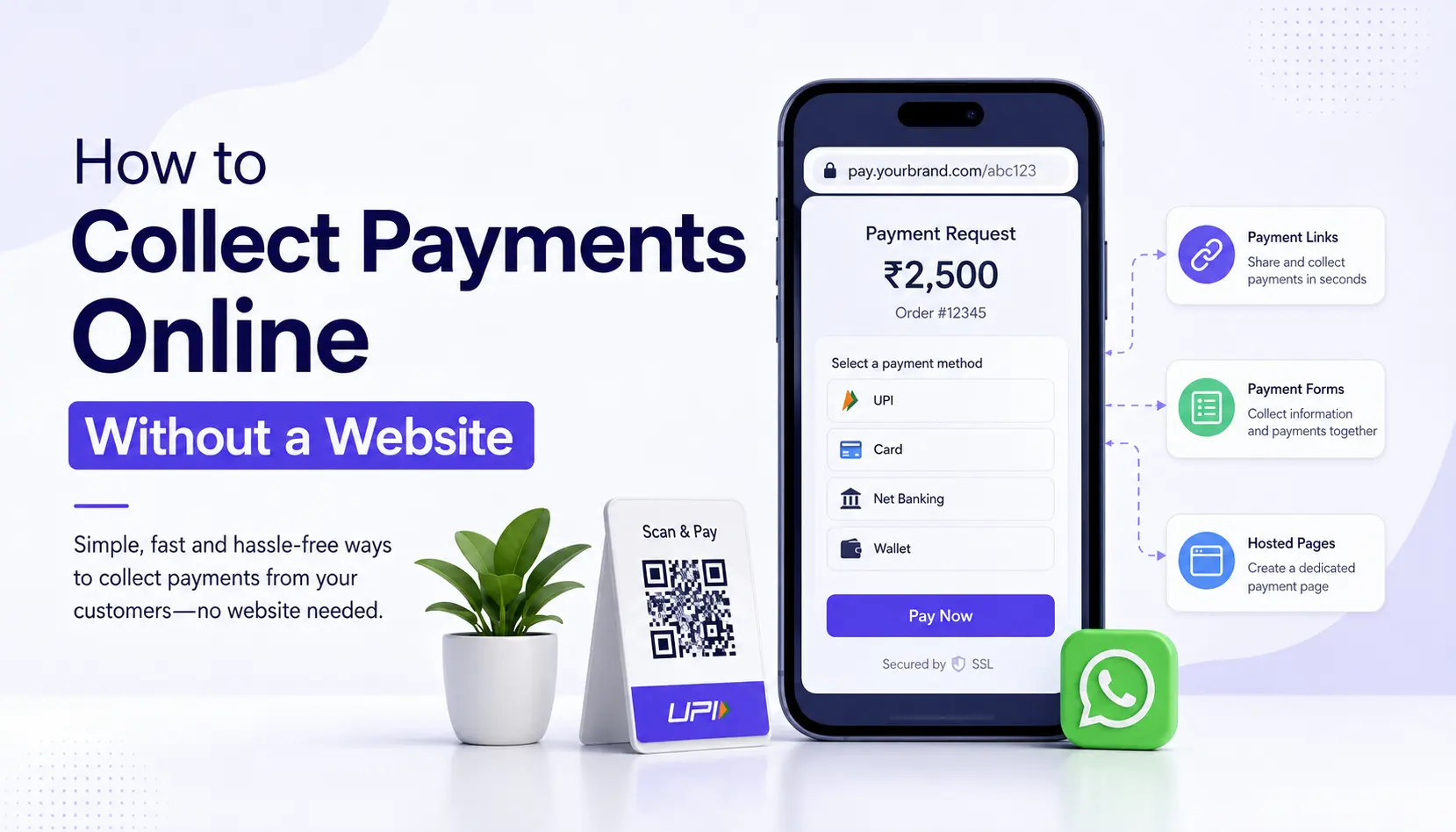
A payment page helps clients to make secure and speedy purchases. Once a buyer has added the desired products to their shopping cart, they are sent to a payment page. The customer selects a payment method and enters the transaction’s required information.
A payment page will require the customer’s information, such as their first and last names, cellphone numbers, email addresses, credit card numbers, and more. Customers wish to place an order after entering this information and confirming it. Once the system has processed the data, the next step is to debit the customer’s card.
Payment pages are of two types:
- API: A customer pays for the goods and services on the website.
- HPP: A customer is redirected to an external link for the payment.
What You Need to Know About Payment Gateway Solutions in India
Here are a few things that are essential for you to know:
- Fees
- Transaction processing
- Supported by an e-commerce site
- Customer experience
Fees
A payment solution typically requires a fee to be paid for using the service. For example, Payment Service Providers (PSPs) usually charge higher fees because you’re using both their merchant account and their integrated payment gateway services. When not using a PSP, evaluate the fees charged by merchant accounts and payment gateways. Fees vary depending on the cost of each transaction. Before selecting a service, review the terms and conditions, including volume costs, monthly fees, setup fees, and other relevant details. Paying a greater fee has an impact on your profitability.
Transaction Processing
It is determined by the payment solution and the amount of time required to process your payments. Depending on how your service is configured, it may take some time for you to receive payment after the transaction is complete.
Supported by an e-commerce site
Your payment solution should work with your e-commerce platform. E-commerce platforms offer a list of the solutions they support. Most payment methods are compatible with a wide range of e-commerce websites.
Customer Experience
Your payment solution decides your customer’s checkout process. Some payment systems or solutions cause customers to leave or stay on your website. Both ways affect your customer’s experience. Customers like to use convenient payment solutions like SabPaisa. Some payment solutions require more time to set up and run, but they provide a seamless payment processing solution. A secure, fast, and easy checkout process can significantly improve your conversion rate.
How to Choose the Best Payment Gateway in India
Picking “which is the best payment gateway in India” depends on your needs. The important aspects are security, payment methods, costs, and customer service. A payment gateway site must have transparent charges, integration procedures and reliability.
To illustrate, SabPaisa recommends considering settlement times, success rates, customer service, and compliance when choosing a gateway. In general, consider:
- Security & Compliance: Maintain PCI-DSS compliance and RBI compliance. Reliable gateways are encrypted and satisfy regulatory requirements.
- Payment Method Coverage: Make sure that the gateway is compatible with UPI, cards, netbanking, and wallets that your customers use. Additional channels (e.g., UPI) enhance checkout conversion.
- Transparency in Pricing: Seek a Best Payment Gateway Website that has transparent transaction charges, a monthly fee and money-back policies. Hidden costs can erode profits.
- Integration & Support: Choose a provider with easy APIs/plugins for your platform and responsive support. A good gateway shows clear integration guides on its site.
- Performance: Review transaction success rates and settlement cycles. Faster payouts and fewer declines mean better cash flow.
The bottom line is, the ideal gateway is the one that offers a good balance between the technical needs of your business and its cost and reliability. In the case of small companies, gateways such as SabPaisa (with minimal configuration and various default choices) can be effective.
Smaller online stores may be concerned with the high success rates and the strength of developer tools. Read independent reviews and test demos where they are available.
How Do Payment Gateways Work?

When used online, payment gateway technology securely receives credit or debit card information into a payment page. This can be done through a payment page hosted by the gateway or by passing information to the gateway via encrypted entry fields.
These encrypted card details are then subjected to anti-fraud procedures before being provided to the business’s acquirer, along with the transaction details. The acquirer then forwards the information to the appropriate card provider, who authorises or declines the transaction as needed before returning the decision to the payment gateway.
All of this is conducted in a matter of seconds, allowing customers to complete payment quickly or try an alternative if their transaction is declined.
Types of Payment Gateway Solutions Available in India
India’s digital payments landscape includes a variety of payment gateway solutions. Leading Payment Gateway Companies in India (banks and fintech firms) offer different integration modes.
There are four main types: Hosted (redirect to a secure page), API-hosted (embedded on your site), Self-hosted (merchant captures payments directly), and Direct Bank integration (using the bank’s gateway). These cover most use cases.
Major Indian payment gateway providers support all these modes, tailoring them to merchant needs.
In practice, some providers package multiple modes together (e.g., an “omnichannel” solution combining card, UPI, and wallets). Understanding these types helps merchants pick the right service.
- Hosted Checkout Gateways: The customer is sent to the secure page of the gateway to make the payment and leave the security and compliance to the provider.
- API/Embedded Gateways: API integrates the payment form in the merchant site or application, which provides a streamlined brand experience.
- Self-Hosted Solutions: The customer takes care of the checkout (which needs high compliance with PCI-related requirements and in-house security).
- Bank-Gateway Integrations: Direct connections to the payment gateway of the bank (in some banks and enterprise solutions).
Online payment gateways in India vary between the conventional bank gateways and the contemporary fintech applications. Different providers provide each of the types of solutions (hosted vs API, etc.).For instance, a Payment Gateway in India from a bank might use a hosted model, whereas an app-friendly provider (like SabPaisa) emphasizes API integration. Ultimately, businesses pick based on control, cost, and customer experience.
The Importance of Security Measures
Security is the main priority for any payment gateway, as it protects crucial funds and client data from loss or theft. As a result, the finest payment gateway providers can consistently demonstrate a strong dedication to:
- Encryption: Best payment gateway solutions in India utilise either symmetric or asymmetric encryption. The former employs a single key to lock and unlock data, whereas the latter uses separate public and private keys. Reasonable solutions will favour asymmetric encryption due to the increased privacy.
- Fraud detection: Multiple technologies collaborate to mitigate the risk of fraud in payment gateways. These include the Card Verification Value (CVV) codes on the back of customers’ credit cards, the 3DS2 security layer, which requires users to provide one-time passwords, and additional protection behind the scenes, such as device fingerprinting and IP fraud screening.
- PCI-DSS Compliance: The Payment Card Industry Data Security Standard (PCI DSS) mandates that firms process, store, and transfer card information securely at all times, thereby protecting data and minimising risk. Any reputable payment processor will be able to demonstrate complete compliance with this.
Payment Gateway Integration Options for E-commerce, WordPress & Wix
Online platforms offer plugin-based integration for payments. In practice, merchants pick the integration that matches their site builder.
For instance, SabPaisa has several common integrations: a WooCommerce payment gateway (for WooCommerce shops), a WordPress payment gateway (for any WP site), and a Wix payment gateway (for Wix sites). These ensure sites can accept payments without custom coding.
- WooCommerce payment gateway: A plugin for WooCommerce stores. Integrating a gateway (e.g. SabPaisa) converts a WooCommerce site into a full checkout. Popular plugins let the store accept UPI, cards, wallets and more seamlessly. For example, Paytm’s WooCommerce extension enables payments via Wallet, UPI, cards, netbanking, etc.
- WordPress payment gateway: A plugin that adds payment forms to any WordPress site. WordPress businesses can tap into India’s huge UPI ecosystem in fact, over 16.99 billion UPI transactions occurred in Jan 2025. Using a WordPress gateway plugin (from SabPaisa) lets sites collect payments without redirecting users off-site.
- Wix payment gateway: No-code Wix sites can add a payment integration via an app or code. A payment gateway for Wix enables various payment methods such as cards, UPI, wallets, and EMI on Wix stores. This turns a simple Wix page into an e-commerce checkout with minimal effort.
- Custom/API or Hosted Checkout: For highly customized workflows or SaaS platforms, businesses can build directly on the gateway’s API or use hosted checkout pages.
Overall, modern payment solutions provide ready-made connectors for major CMS and e-commerce platforms. Whether your site runs on WooCommerce, WordPress, or Wix, you can quickly install an official gateway plugin or integration kit. This minimises development time and ensures a secure, optimized checkout on popular ecommerce payment gateway platforms.
One Stop Payment Solutions for Modern Businesses
Today’s firms often prefer one-stop payment solutions (all-in-one aggregators) to manage payments end-to-end. SabPaisa One Stop Payment Services handles collections and payouts under the same platform. Such platforms unify everything from accepting UPI/cards to issuing payouts on a single interface.
In effect, payment aggregators act as one-stop services. An aggregator is a regulated “funds + rails orchestration” layer accepting multiple payment instruments through one integration.
Key features of one-stop solutions include:
- Unified Dashboard: Monitor all collections and payouts (cards, UPI, wallets) in one place.
- Multi-Method Acceptance: A single integration supports all major payment modes, reducing merchant engineering effort.
- Payouts & Reconciliation: Built-in payout APIs enable instant vendor/salary disbursements, automating financial workflows.
- Compliance Built-In: These platforms typically handle PCI/RBI compliance and KYC, easing regulatory burden.
By using a one-stop payment solution, businesses gain efficiency and scalability. They deal with a single vendor (reducing complexity) and have complete visibility over cash flow.
As a result, modern aggregators allow companies to scale smoothly: you can focus on growth while the payment solution manages transactions, security, and reporting.
Why SabPaisa Stands Out as a Leading RBI-Compliant Payment Aggregator in India
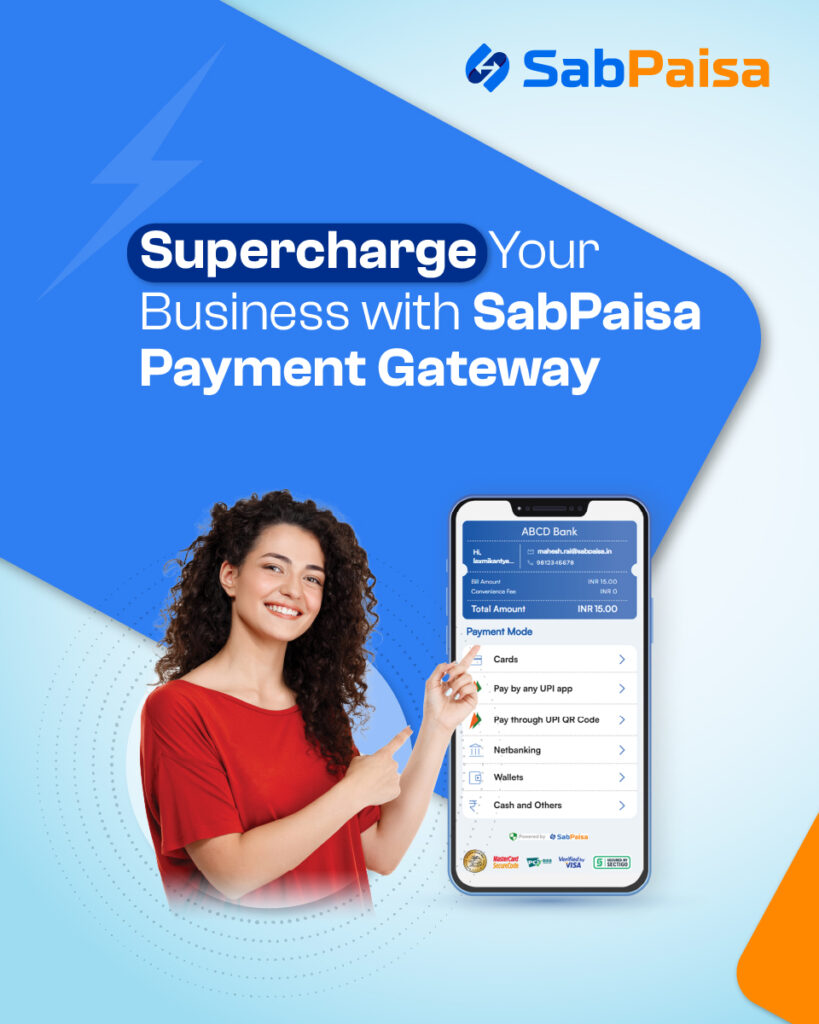
When selecting a payment solution, SabPaisa is a promising choice for Indian and foreign businesses. As an RBI-approved Payment Aggregator, it offers enhanced traditional security features, multiple integrated payment options, and real-time transaction tracking. The UPI payment gateway enables businesses to facilitate international transactions and allows individuals in India to make easy, quick, and secure payments.
SabPaisa ensures robust fraud prevention and adheres to strict financial regulations, making it a trusted choice for businesses seeking secure and compliant payment solutions. As a leading RBI-compliant payment aggregator in India, SabPaisa offers a range of innovative features that set it apart from other providers:
- Hybrid Payment Collections: SabPaisa supports both online and offline payment modes, making it ideal for businesses operating in diverse environments.
- T+1 Settlement Cycles: Faster fund settlement helps improve cash flow and gives businesses quicker access to their revenues.
- Plug-and-Play UPI Plugins: Easily integrable UPI solutions allow for quick deployment across websites and apps, enhancing user convenience.
Whether you’re just starting or expanding at scale, SabPaisa offers scalable and flexible payment solutions that grow with your business needs, ensuring smooth operations every step of the way.
Conclusion
Choosing the right payment gateway solution is crucial for your business’s success, security, and customer satisfaction. With the rise of no-code tools and platforms like SabPaisa, managing payments has become more accessible, streamlined, and efficient. From secure transaction processing to enhanced user experience, a robust payment solution ensures smooth checkout processes and builds trust with your customers. As your business grows, so should your payment infrastructure. Prioritise security, compatibility, and customer convenience to stay ahead in today’s competitive digital marketplace.
FAQ’s
1. What is a payment gateway, and why is it important for online businesses?
A payment gateway securely processes online payments, enabling businesses to accept transactions while ensuring data protection, smooth checkout, and customer trust.
2. What is the difference between API and HPP payment pages?
API keeps users on your website for payment, offering a seamless experience, while HPP redirects to an external site, adding security but possibly disrupting user flow.
3. How can I ensure the security of customer data during transactions?
Use PCI DSS-compliant gateways with encryption, fraud detection tools like CVV and OTP, and secure hosting to protect sensitive customer data during online transactions.
4. Why is SabPaisa considered one of the best payment gateways in India?
SabPaisa offers RBI-approved services, real-time tracking, UPI support, and robust fraud prevention, making it an ideal solution for secure, scalable payment processing across Indian businesses.