Table of Contents
For Indian SMBs and startups, payments are no longer a “checkout-only” problem. You may need to collect fees online and offline, support UPI at scale, reconcile dealer payments, manage subscription mandates, issue refunds, and run routine payouts to vendors or gig teams, all while staying aligned with evolving regulatory expectations around authorisation, merchant due diligence, and payment data handling.
That is why One-Stop Payment Solution are increasingly relevant: they are designed to consolidate fragmented payment workflows into one system, helping teams work faster, reduce errors, and build a more consistent customer experience across India’s diverse payment behaviours.
What is a one-stop payment solution?
One Stop Payment Solutions is an integrated payments stack that supports multiple payment modes and operational workflows (collections, settlements visibility, reconciliation, refunds, and often payouts) through one provider and one reporting layer.
In regulatory terms, it helps to distinguish two foundational concepts:
- A Payment Aggregator (PA) is an entity that aggregates payments from customers to merchants (via one or more payment channels) and then settles the collected funds to those merchants.
- A Payment Gateway (PG) is an entity that provides the technology infrastructure to route and facilitate payment processing, without being involved in handling funds.
So, when businesses talk about a One-Stop Payment Solution, they typically mean more than routing: they want a single integration that can cover multiple rails and operational needs, often through a PA-led setup (because settlement handling, escrow mechanics, and merchant onboarding obligations sit closer to PA activity).
Benefits for growing businesses in India
Below are eight India-relevant benefits of adopting one stop payment capability, with examples tied to the Indian payments landscape and regulatory realities.
1. Broader customer reach across India’s preferred payment modes
India is a multi-rail market; even digitally mature customers will mix UPI, cards, wallets, and net banking depending on ticket size and context. UPI volumes and participating banks underline how mainstream it has become.
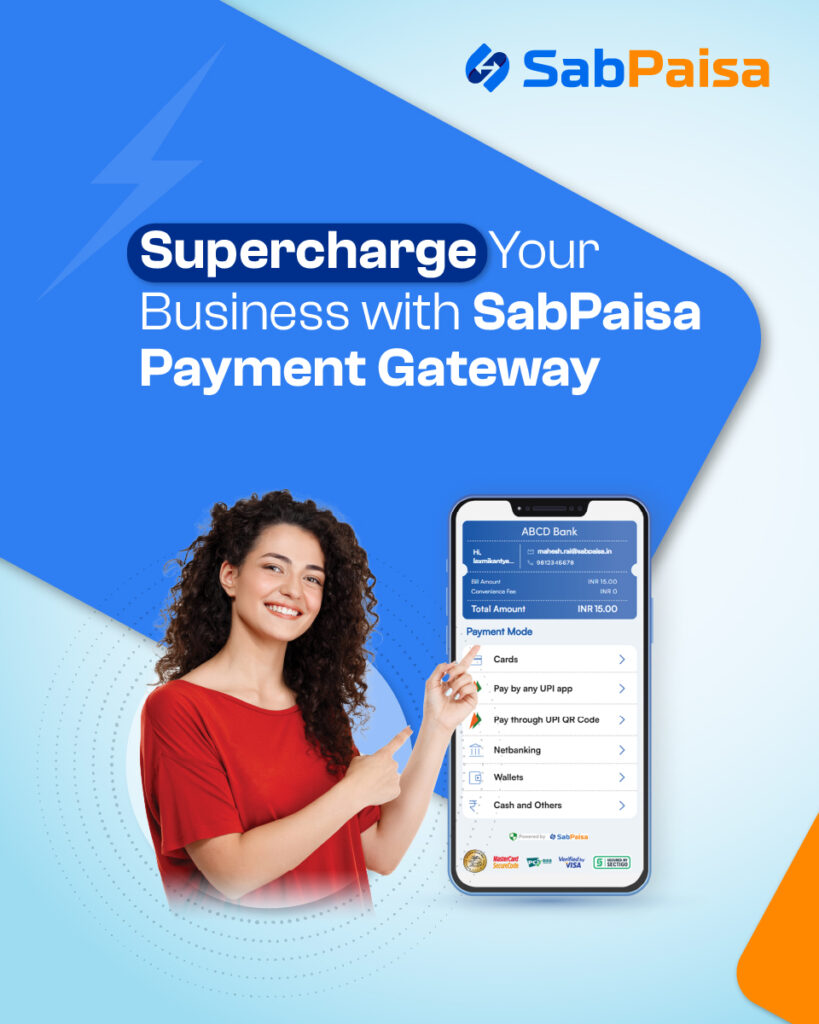
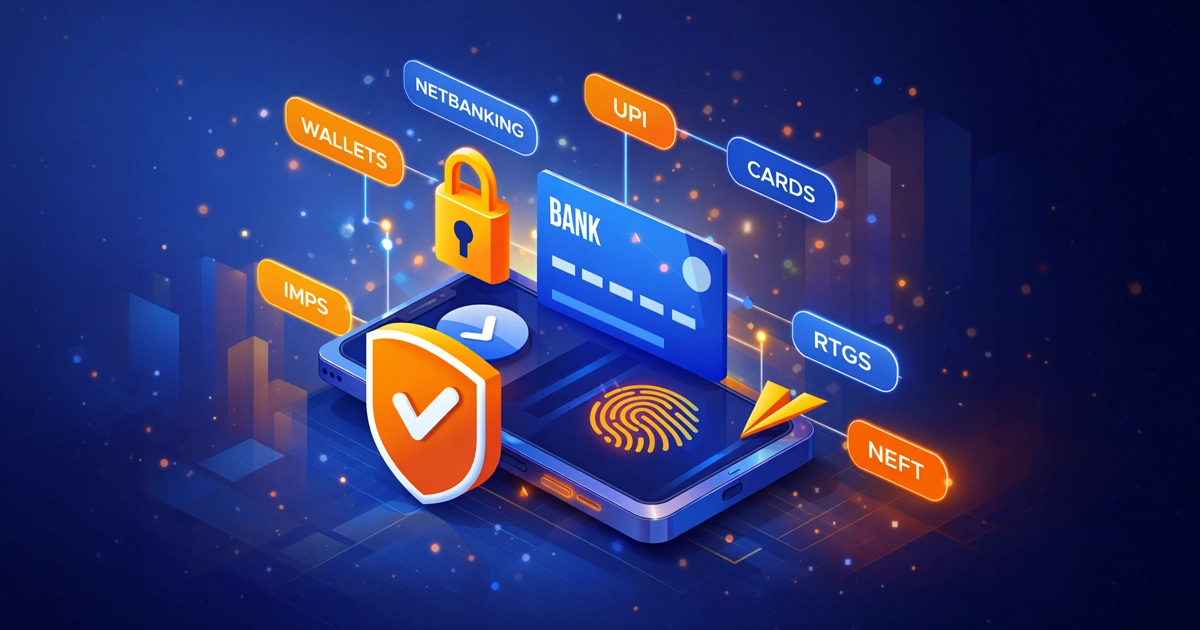
A one-stop setup that supports multiple modes (including UPI, cards, net banking, wallets, Bharat QR, and bank-transfer options) reduces “payment drop-off” caused by missing the customer’s preference.
2. Unified online + offline collections for real “Bharat” coverage
Many SMBs still face cash-and-counter realities: admissions, public-facing fees, B2B deposits, or semi-urban and rural collections where counter deposits or assisted payments remain common. SabPaisa positions its hybrid network as enabling cash/cheque/bank-transfer collections through 1.4M+ authorised cash counters, consolidating them with online payments in one platform.
This materially changes outcomes for organisations that must accommodate both digital-first and assisted payment journeys without running parallel reconciliation processes.
3. Cleaner reconciliation through a single dashboard and reference structures
Reconciliation becomes difficult when you combine UPI, cards, net banking, offline challans, and bank transfers across multiple providers. One-stop design aims to unify reporting and reduce manual matching.
For B2B use cases, SabPaisa’s B2B e-collect highlights Virtual Account Numbers (VANs) to make validated collections and reconciliation more manageable (useful for dealer/distributor payments and partner collections).
4. More predictable finance operations and audit readiness
As businesses scale, the “cost of ambiguity” rises. Finance teams need reliable settlement visibility, audit trails, and structured reporting. SabPaisa explicitly positions itself around “audit-ready” infrastructure and reconciliation workflows as part of its platform narrative.
From a compliance lens, India’s payments ecosystem is regulated under RBI frameworks, so choosing an RBI-authorised payment aggregator where fund handling is involved.
For B2B use cases, SabPaisa’s B2B e-collect highlights Virtual Account Numbers (VANs) to make validated collections and reconciliation more manageable (useful for dealer/distributor payments and partner collections).
5. Subscription and recurring collection readiness for Indian use cases
Subscriptions are no longer limited to OTT. In India, recurring flows appear in education instalments, membership fees, donation programmes, loan-related collections, and SaaS retainers. SabPaisa’s eNACH pages describe recurring payments via e-mandates, with integration support (source code/SDK/sample code messaging) and NPCI-aligned mandate workflows.
For startups trying to stabilise cash flow, recurring systems reduce the operational cost of re-collecting payments every cycle.
6. Operational efficiency through low-code collection options
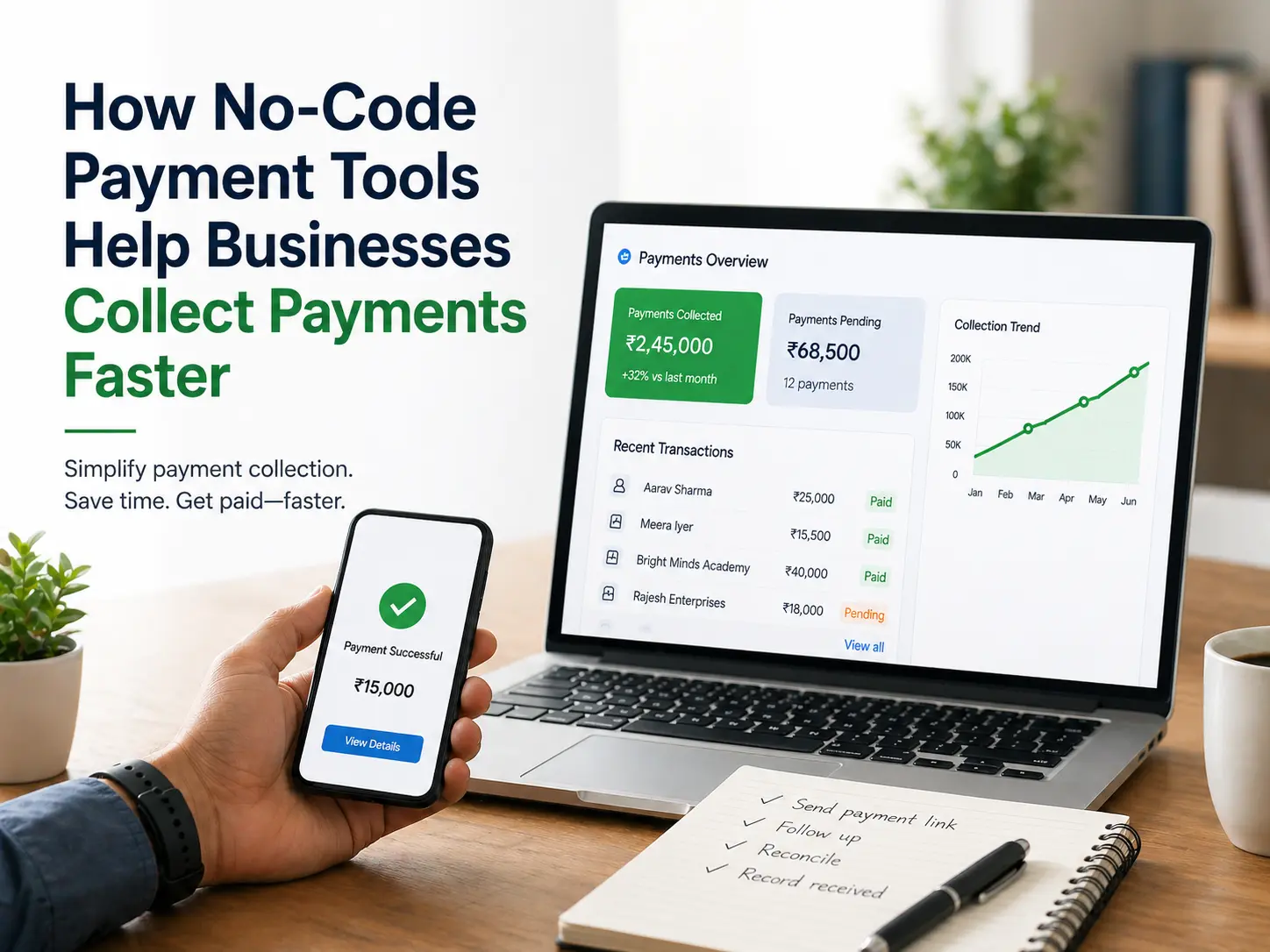
Not every business is ready for full checkout development on day one. Payment links and payment forms help teams start collecting faster (sales-led flows, event registrations, service billing, and WhatsApp-first commerce). SabPaisa payment links work without a website or complex setup, which can be valuable for early-stage teams and field-led operations.
7. Payout automation for vendor, partner, and beneficiary disbursements
Scaling businesses often hit a second payment bottleneck: outbound money movement commissions, seller settlements, refunds, logistics partner payments, or routine vendor transfers. SabPaisa describes payout APIs aimed at automating disbursements across sectors (e-commerce, manufacturing supply chains, logistics, BFSI).
This is where a one-stop vendor payment workflow matters: a single system can connect collection visibility to payout execution, reducing reconciliation gaps between “money received” and “money paid out.”
8. Stronger compliance posture on data handling and payment security
India has explicit regulatory expectations around payment system data storage. RBI has stated that payment system data should be stored in systems located only in India.
In addition, RBI’s tokenisation framework highlights security benefits tokenised card transactions reduce exposure by not sharing actual card details during processing.
A one-stop provider that is designed for regulated operations and security certifications can help startups and SMBs build a more defensible risk and audit posture as they move upmarket.
What to look for when choosing a provider
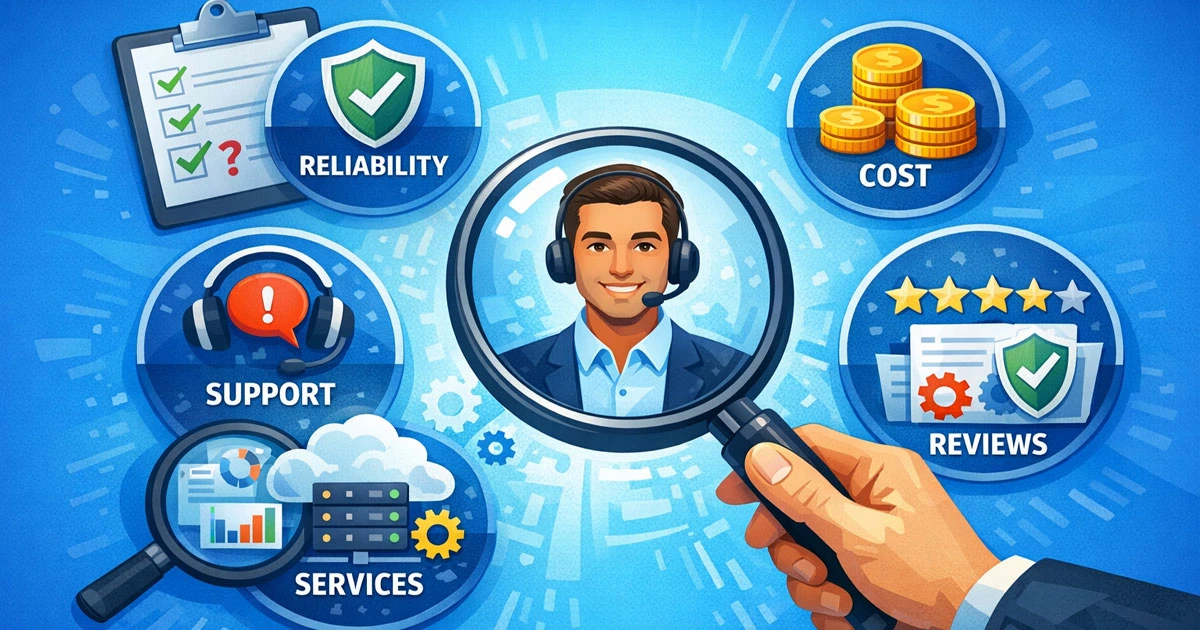
Selecting a one-stop partner is less about “features in isolation” and more about operational fit, compliance alignment, and integration practicality.
Start with these checks:
- Regulatory clarity (PA vs PG) and authorisation posture: RBI’s Master Direction distinguishes a payment aggregator (handles fund aggregation/settlement) and a payment gateway (routes transactions without handling funds). Match your needs to the right model and confirm the provider’s posture accordingly.
- Mode coverage aligned to your customer base: Ensure support for core India rails (UPI, cards, net banking, wallets, Bharat QR) and consider whether you also need bank-transfer options like NEFT/RTGS/IMPS and offline acceptance. SabPaisa lists wide mode coverage, including offline bank-transfer/counter deposit rails on its offline payments page.
- Reconciliation design: Look for dashboards, MIS/reporting, and reference mechanisms like virtual accounts where relevant (especially for B2B).
- Recurring payments support for subscriptions: If you run instalments or memberships, evaluate e-mandate/eNACH capabilities and integration readiness.
- Outbound payments (payouts): For marketplaces, logistics, incentive programmes, or vendor-heavy operations, assess payout APIs, account validation options (if offered), status visibility, and controls.
- Security, audit, and data expectations: RBI’s stance on storage of payment system data in India and tokenisation security benefits are relevant baselines.
- Support, onboarding, and documentation: Look for integration kits, a UAT checklist, and a clear onboarding path. SabPaisa’s site navigation references “Integration Kits” and “UAT Checklist,” signalling structured developer enablement.
SabPaisa-specific value propositions linked to business outcomes
SabPaisa’s positioning maps cleanly to “one-stop” outcomes in three ways:
- SabPaisa’s hybrid payments approach (online plus offline) can expand addressable customer reach in India while reducing reconciliation fragmentation because offline counter deposits and online payments are intended to show up under one platform.
- It’s B2B e-collect with VANs targets a common growth pain point, dealers/agents/partners paying via bank transfers, where reference matching becomes messy. VAN structures are designed to improve payment identification and reconciliation.
- Its stack also includes payment links (for low-code collections), eNACH recurring payments (for subscription-like models), and payout APIs (for outbound flows), which together support a lifecycle view of payments rather than a single checkout moment.
Implementation and integration options
A typical rollout for One-Stop Payment Solution should be treated as both a technical integration and an operations design exercise. A practical implementation sequence is:
1. Map your payment journeys (online checkout, payment links, offline challans, recurring mandates, vendor payouts) and define reporting needs for finance.
2. Complete onboarding and KYC documentation (requirements vary by business constitution; SabPaisa cites documents such as business proofs, signatory proofs, bank statements, cancelled cheques, and GST registration).
Choose an integration path:
- API/SDK integration into your website or mobile app (for a controlled checkout and automated callbacks).
- Low-code collection via payment links (useful when you do not have a website/app ready).
- Offline payment plugins/flows (where your business needs counter collections or offline bank transfer workflows).
4. Run testing/UAT and operational checks (UAT checklist, webhooks/callback verification, refund flows, MIS downloads, settlement reporting). SabPaisa references a UAT checklist and integration kits in its developer navigation.
5. Go live and stabilise operations: monitor failure reasons, reconcile daily, and define your internal SOP for refunds and customer support escalations.
Conclusion
For Indian SMBs and startups, One Stop Payment Solutions are most valuable when they reduce fragmentation: one integration, broad payment coverage, clearer reconciliation, and operational readiness for recurring collections and payouts. SabPaisa’s hybrid positioning (online + offline collections), B2B reconciliation via VANs, eNACH recurring payments, payment links, and payouts APIs collectively map to the day-to-day realities of scaling businesses in India.
If your business is evaluating One Stop Payment Solutions, consider mapping your current payment journeys (collections + recurring + payouts + offline) and then aligning them to a single provider’s integration and reporting stack, so finance and operations can scale without adding manual processes.
FAQs
A standard payment gateway primarily provides the technology layer to route payment transactions, without handling funds. A payment aggregator facilitates aggregation and then settles funds to merchants; many “one-stop” setups combine gateway routing with aggregator-led settlement and reporting features.
At minimum: UPI, cards, net banking, wallets, and Bharat QR. Depending on your business, you may also need bank-transfer rails (NEFT/RTGS/IMPS) and offline acceptance. India’s UPI scale makes it essential for most consumer-facing use cases.
It typically means you can trigger multiple outbound payments (vendors, partners, refunds, beneficiaries) through a single payout interface/API, track statuses, and reconcile against collections. SabPaisa describes payout APIs designed for business disbursement use cases across sectors.
Timelines vary based on your integration choice and KYC readiness. SabPaisa states quicker turnaround after KYC and agreement formalities, and it also offers low-code payment links that do not require a website or complex setup.
(Bonus: Always verify the link comes from a known provider and remind customers to enter UPI details only in official apps.)
Businesses should evaluate providers for compliance alignment, especially around storage of payment system data in India and secure handling of card credentials. RBI has explicitly referenced India-only storage expectations for payment system data, and tokenisation is recognised as safer because actual card details are not shared in tokenised transactions.