Table of Contents
In the rapidly expanding digital economy in India, any business, whether an e-commerce brand or a school, college, or other service provider, needs a dependable payment gateway in India. A payment gateway helps businesses securely receive and process payments from customers worldwide.
There are numerous payment providers today, and SabPaisa is one of the leading payment gateway solutions in India, especially for hybrid online–offline payments. This guide explains:
- What a payment gateway is
- How payment gateways work
- Types of payment gateways supported
- Pricing & plans
- SabPaisa’s features & use cases
Let’s begin.
What Is a Payment Gateway in India?
A payment gateway in India is the technology that accepts and processes digital payments, including UPI, debit/credit cards, net banking, wallets and even offline choices on behalf of businesses.
When a customer transacts via the Internet, the payment gateway serves as the security link between the bank or payment application of the customer and the relevant payment network (such as Visa or Mastercard for card payments, or NPCI for UPI transactions), and the merchant’s bank. The gateway authenticates information, approves the transaction, and provides safe conveyance of sensitive financial information.
Basically, it enables businesses to:
- Accept various forms of payment.
- Process transactions safely.
- Facilitate offline and online collections.
- Offer a hassle-free checkout.
This technology is mandatory for online commerce in India; without it, card and UPI payments simply can’t be processed securely on websites or apps.
How a Payment Gateway Works
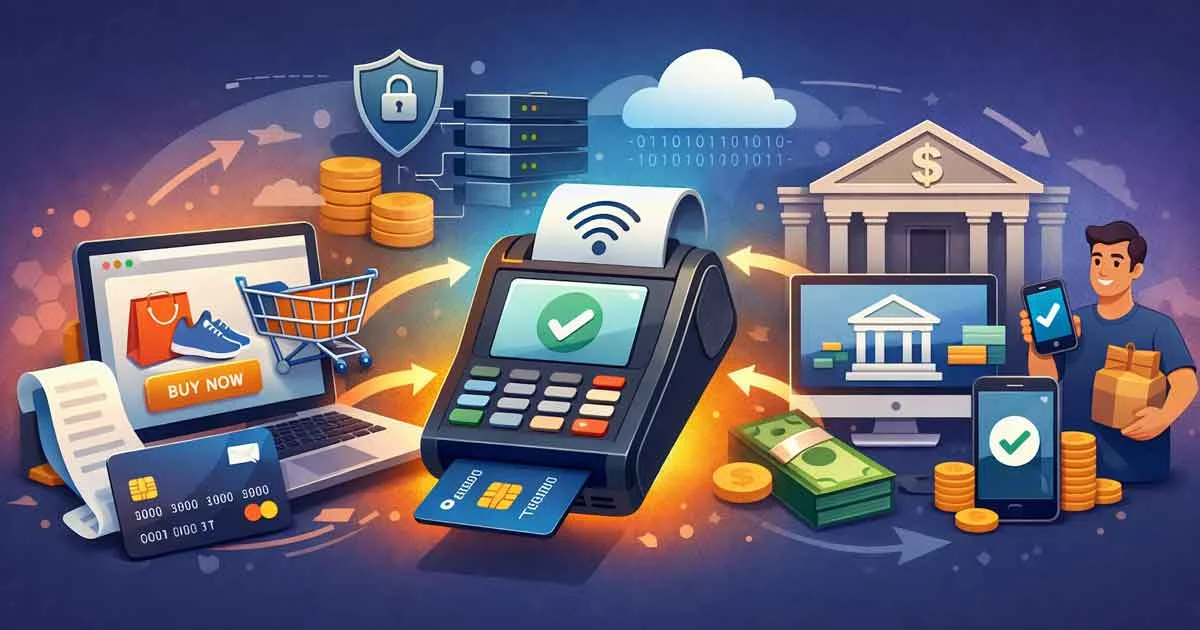
A payment gateway is implemented in a sequence of processes that are aimed at ensuring that the payment is safe and sound:
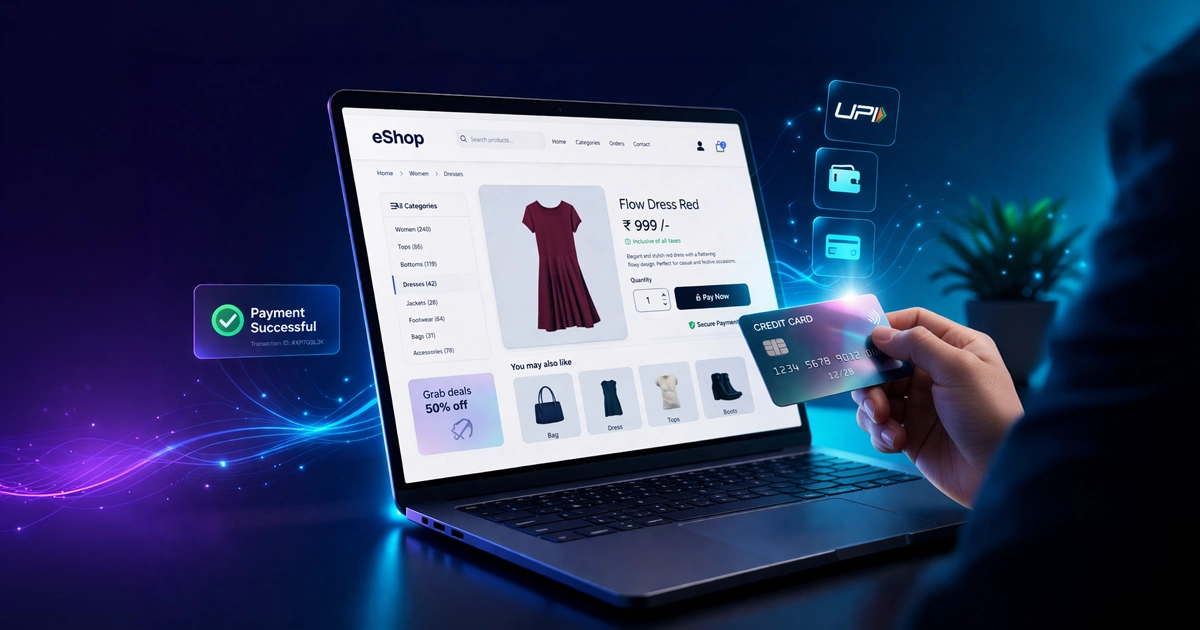
- Customer Makes a Payment: A customer selects a product or service and gets to the checkout page. They enter their payment information (e.g., UPI, debit/credit card or netbanking).
- Data Encryption & Routing: The payment gateway will encrypt the customer’s payment details to prevent fraud and then forward the information to the concerned bank or payment network to be approved.
- Bank/Network Authorisation: The bank of the customer validates the availability of the funds and checks for fraud. The payment is then approved or rejected by the bank.
- Confirmation Back to Business and Customer: The payment gateway notifies the merchant and the customer immediately about the outcome.
- Settlement: The money is settled in the business’s bank account as per the payment provider’s settlement cycle and applicable RBI guidelines.
With SabPaisa, this entire process, whether online or offline, is unified under one dashboard, making reconciliation and reporting streamlined for businesses.
Types of Payment Gateway in India
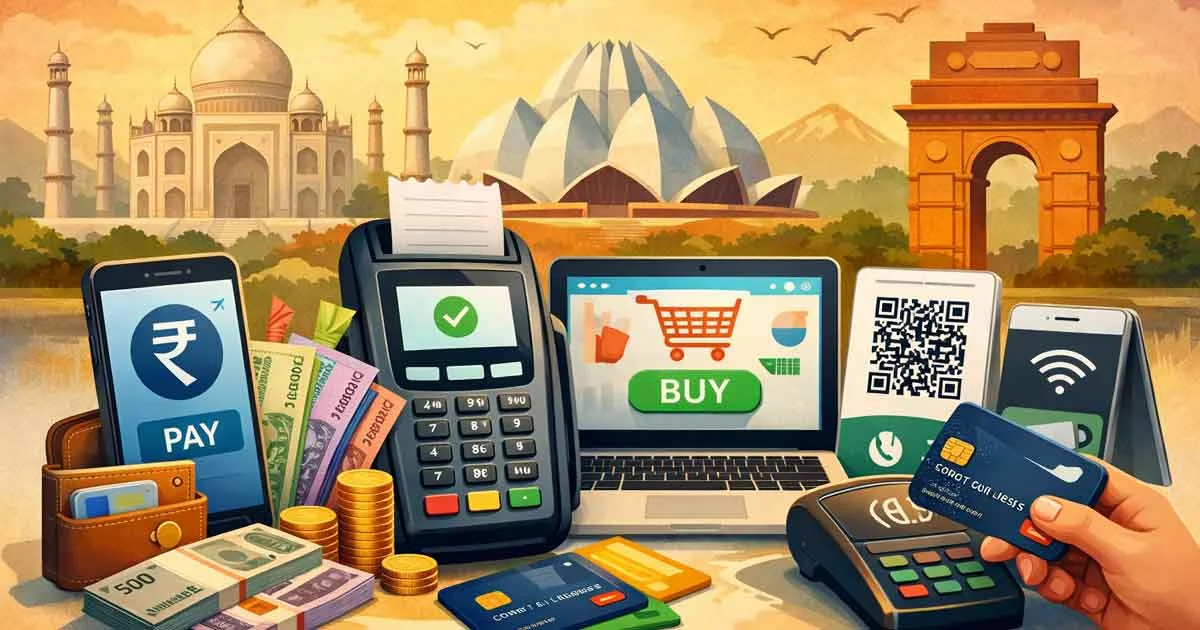
The type of payment gateway you select could make a significant difference in the ease with which your customers can pay and how effectively you can handle transactions. The following are the most popular types of payment gateways employed by companies all over India, each of which is oriented to the different types of payment flows and customer experiences:
1. Hosted Checkout Gateway
The hosted checkout payment gateway redirects customers to a secure page operated by the gateway to complete the payment. This configuration will provide very safe processing of payment data and will save the business the work needed to develop it. Since the payment page is hosted on the gateway, it is also automatically compliant with several security standards, allowing businesses to accept payments swiftly and without fear.
2. Integrated / API Payment Gateway
An integrated payment gateway involves integrating the payment experience in an app or a website of a business, such that customers do not need to leave the business to make a payment. The result is a smooth and hassle-free checkout. Business payment flow is customizable in terms of appearance and feel and transactions are handled safely in the background through API connections handled by the gateway.
3. Mobile Payment Gateway
The mobile payment gateway is specifically tailored to accept payment that can be done using mobile devices, i.e. apps or mobile browsers. It allows modern-day payment platforms like UPI and mobile wallets, not to mention cards and net banking. This type of gateway is concerned with speed of loading and touch screens, which is why it is appropriate in the situation when the business is employing mobile applications or smartphones as the main channel of interaction with customers.
4. Virtual Terminal Gateway
A virtual terminal gateway enables businesses to accept payments by having customers enter their payment details through a secure online dashboard instead of using a card reader. Businesses that usually receive payments through phone calls or email correspondence mostly use this kind of gateway as it provides them the flexibility to collect the payment and yet receive secure processing of card information.
Partner with SabPaisa Today!
Today, SabPaisa is recognised as one of the most advanced payment gateways in India, not only for online payments but also for hybrid digital and offline collections, thanks to its unique platform approach.
RBI-Authorised & PCI-DSS Certified
As an RBI-approved payment aggregator and PCI DSS/ISO-certified platform, SabPaisa is highly secure for facilitating digital transactions in India. This implies that customer information is encrypted, is handled in a secure way and transactions are secured throughout.
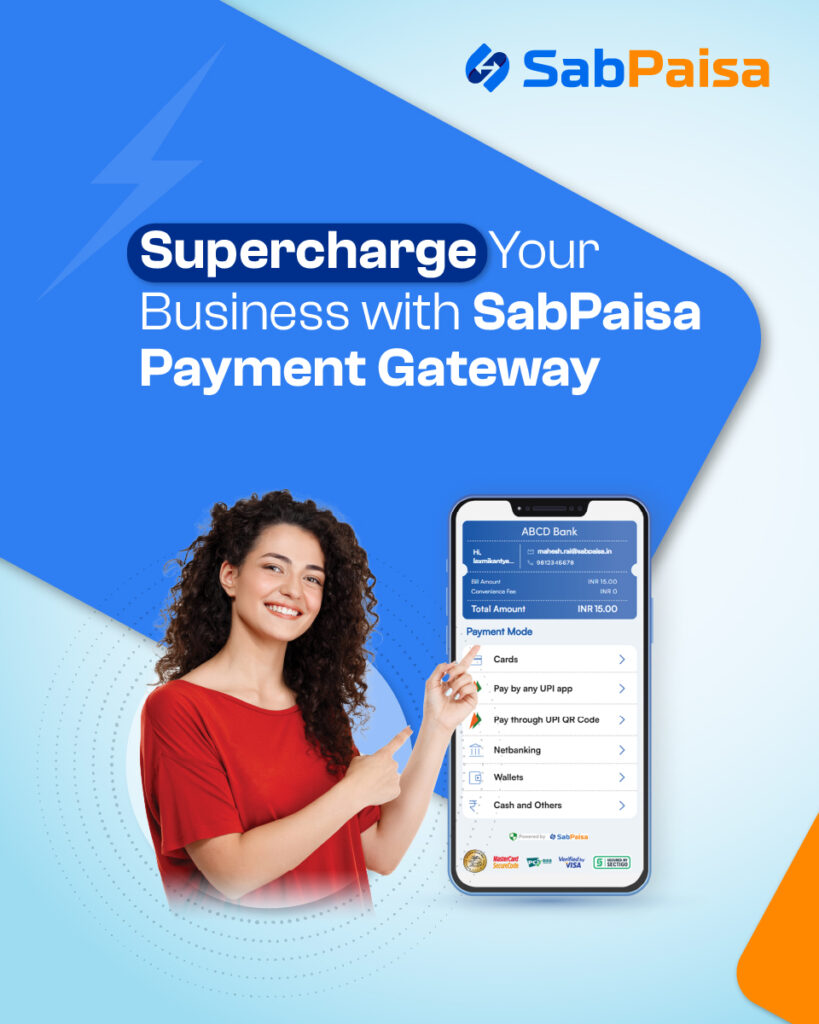
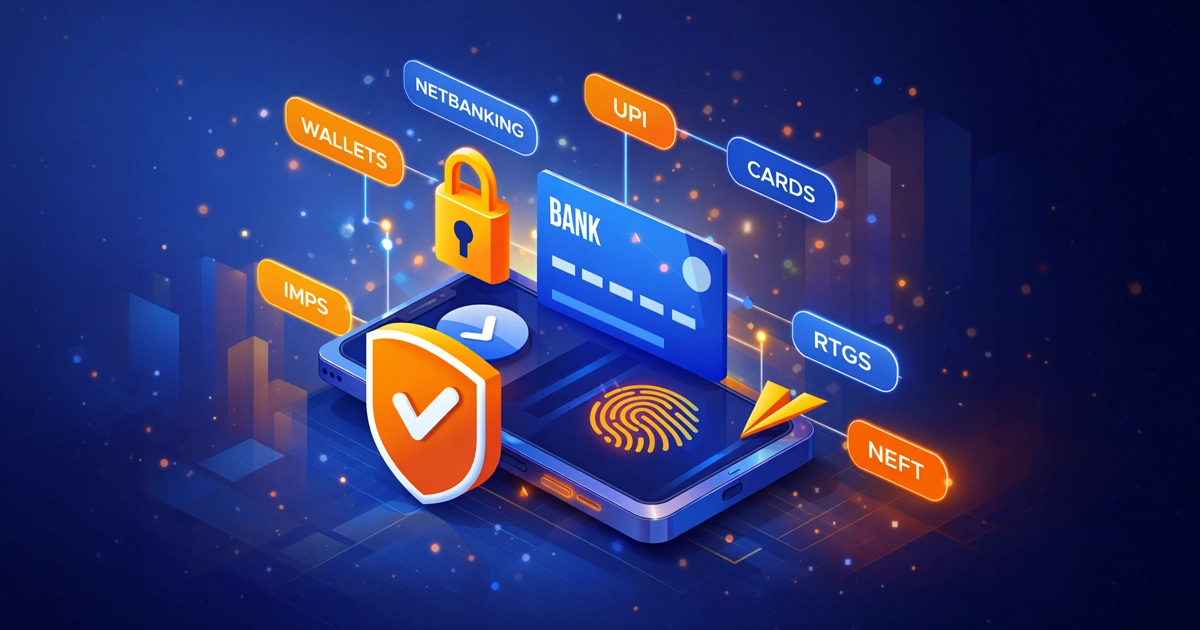
Supports All Major Payment Methods
SabPaisa supports:
- UPI (including all popular apps)
- Debit & credit cards
- Net banking
- Wallets
- Bharat QR
- NEFT/RTGS/IMPS
- Offline collections at cash counters
This wide coverage means that you can receive payments through virtually every group of customers in India, with or without digital payment methods.
Unified Online + Offline Payment Solution
The hybrid model of the SabPaisa supports both online and offline payments, which are all monitored via a single dashboard, unlike other gateways that only operate online. This implies that when a customer makes payments using cash or cheque at a physical counter, reconciliation and reporting occur using the same system as internet payments.
This is the distinguishing attribute in one of the biggest business challenges in India, where a significant portion of customers continues to trust the offline method of payment, particularly in rural or unbanked regions.
Types of Payment Solutions Offered by SabPaisa
SabPaisa offers a wide suite of payment solutions that are useful for different business needs:
- Online Payment Gateway: The simplest digital gateway to accept UPI, cards, wallets and net banking in your mobile app or site.
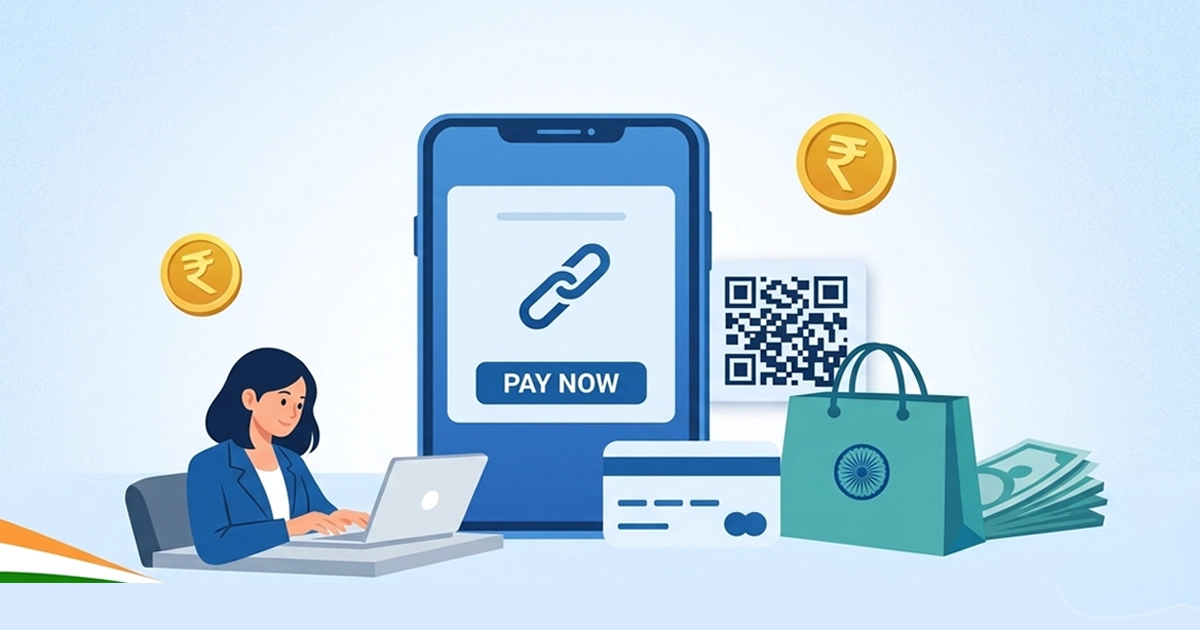
- Payment Links and Unified Link Payments: SabPaisa enables you to generate a secure payment link instantly, without any site or app. The links can be sent through WhatsApp, email, SMS or social media to get instant payment.
- eNACH and Recurring/Subscription Payments: eNACH can be used in situations where the business needs recurring payments. SabPaisa assists in the implementation of automatic recurring payment with real-time tracking and also tries to re-send the unsuccessful payment.
- B2B e-Collect through VAN: A secure, business-to-business collection solution with virtual account numbers suitable for collecting payments from partners, vendors or dealers.
- Payouts and Vendor Settlement: SabPaisa allows business entities to make payments to other vendors and partners within the same platform in a quick fashion. Every payout transaction is updated and reported in real-time.
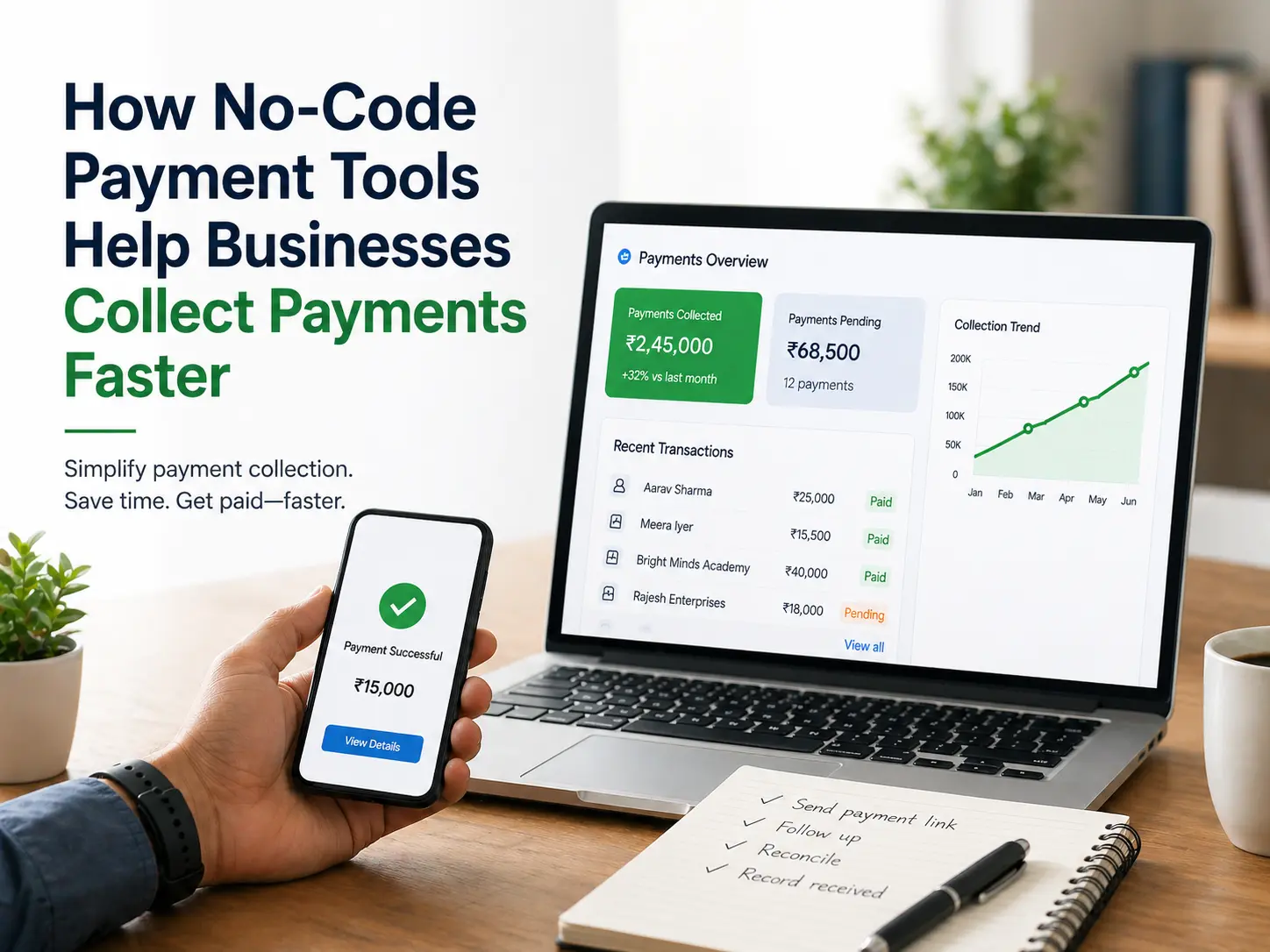
- Dashboard and Reporting Tools: Transactions can be managed in real-time, advanced reporting, reconciliation processes and predictive dashboards gives business a smooth time in managing cash flows, customer payment and financial records all via the same interface.
Conclusion
A payment gateway in India cannot simply accept payments and send them to the merchant; it should offer protection, flexibility, scalability, and useful tools that can make businesses thrive.
SabPaisa provides it by providing:
- An online and offline hybrid solution.
- Full payment mode support (cards, UPI, wallets, netbanking, cash collections)
- Clear and low-cost prices.
- Professional integration tools.
- Effective reporting and dashboard.
- Strict compliance and RBI authorisation.
As a business seeking an end-to-end payment gateway provider in India, and particularly those who require a combined online and offline payment, SabPaisa can provide them with one of the most versatile and inclusive gateways in the market today.
FAQs
In India, a payment gateway is the technology that facilitates online payment between clients and companies securely. It is an intermediary between the bank account or UPI application of the customer and that of the merchant. Payment gateways allow enterprises to receive online payments such as cards, UPI, wallets, and net banking.
In India, businesses require a payment gateway to provide real-time, seamless and secure payments online or through apps. It enables secure data flow and near real-time fund authorisation, subject to bank and network response. Online transactions cannot be processed securely and effectively without a gateway.
In India, hosted checkout gateways, API or integrated, mobile payment and virtual terminal gateways are some of the popular forms of payment gateway solutions. There are various payment methods for customers of each type. Selecting the appropriate type enhances user experience and increases the rate of successful payments.
A payment gateway in India is priced depending on the pricing model, e.g., pay-per-transaction or prepaid options. Most gateways charge a small percentage of the transaction value, in addition to GST. Other providers may also come with flat rate plans, which assist businesses in dealing with predictable payment obligations.
To select the most appropriate payment gateway in India, choose one with secure encryption, multi-modal payments (UPI, cards, wallets, net banking), quick settlement, and simple integration. Good gateways also provide strong dashboards, reporting capabilities, and quality customer support.