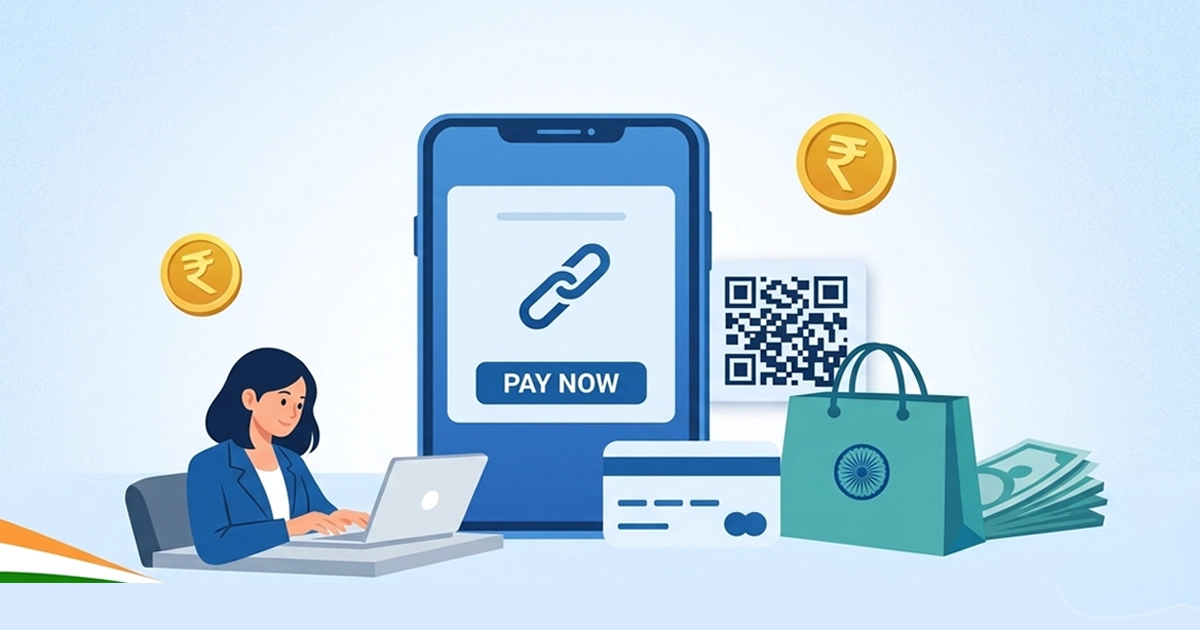

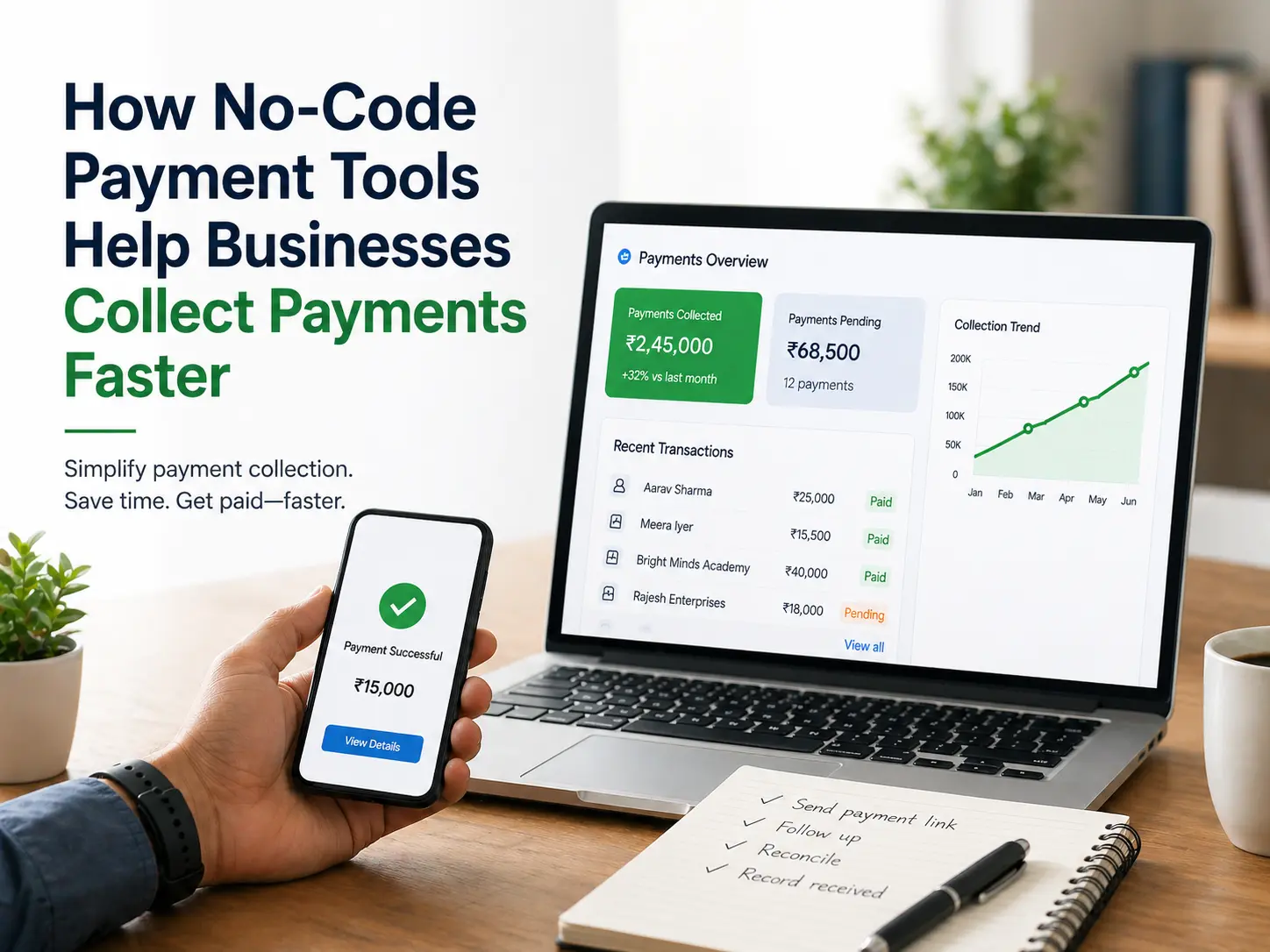

Running a business involves managing multiple priorities simultaneously, and payment-related issues often demand immediate attention. Low transaction success rates, delayed settlements, reconciliation mismatches, and chargebacks can directly impact cash flow and customer trust. Ignoring payment inefficiencies to focus on other operational areas can quickly disrupt day-to-day business continuity.
Automating payment processing, using efficient payment solutions to improve transaction success, streamline settlements, and simplify reconciliation can help businesses enhance their overall online market performance while reducing operational friction.
This process usually involves intermediaries such as third-party payment processors. These entities link customers and merchants by facilitating secure digital (cashless) transactions and managing key payment functions. Here’s everything you need to know about third-party payment processors and how to select the right processor for your business.
What Is a Third-Party Payment Processor?
A third-party payment processor is the software and service provider that lets a business accept payments digitally, including credit cards, debit cards, and recurring payments. When you use a third-party payment processor, payments are processed through an underlying merchant account held with an acquiring bank or RBI-authorised payment aggregator, with the technical and operational complexity managed by the processor, subject to KYC and onboarding requirements.
Third-party payment providers strive to make it as easy as possible for merchants to operate their businesses, have transparent payment processes, and execute transactions successfully.
In the Indian context, the terms payment processor, payment gateway, and payment aggregator are often used interchangeably. Technically, a payment gateway handles secure data transmission, a payment processor executes and authorises transactions, and an RBI-authorised payment aggregator enables merchants to accept payments without directly contracting with acquiring banks.
Key Elements of the Online Payment Ecosystem
To better understand the role of third-party payment processors, let’s first look at how they differ from payment gateways and merchant accounts.
| Aspect | Third-party Payment Processor | Payment Gateway | Merchant Account |
| Role in the transaction process | Facilitates the transaction by processing and authorising payments; responsible for the secure transfer of funds between the customer’s bank and the business’s bank | Transmits payment information securely between the customer, the business and the payment processor; enables communication and exchange of sensitive payment data | Receives funds from the card issuer during settlement; holds funds temporarily before transferring them to the business’s main bank account; provides infrastructure to manage electronic payments |
| Scope of services | Offers additional services such as fraud detection, chargeback management and compliance with payment regulations | Focuses primarily on secure transmission of payment data and usually does not provide additional services | Serves as a holding area for funds from card-based transactions before transfer to the primary bank account |
| Integration with merchant systems | Integrates with merchant systems through hosted checkout pages, APIs, or SDKs provided by the processor, with transaction processing handled on the processor’s platform. | Integrates directly via APIs, plugins, and pre-built modules, enabling secure connectivity between the merchant’s website/app and the payment processing infrastructure. | Integrates through bank-provided payment interfaces, settlement files, or custom technical integrations, often requiring coordination with the acquiring bank’s systems. |
| Integrated solutions | Some companies combine processing with other services | Some companies combine gateway services with other components | Some companies offer all-in-one solutions |
How Third-Party Payment Processors Work
Third-party payment processors handle the entire payment processing chain. The steps that the process usually takes include:
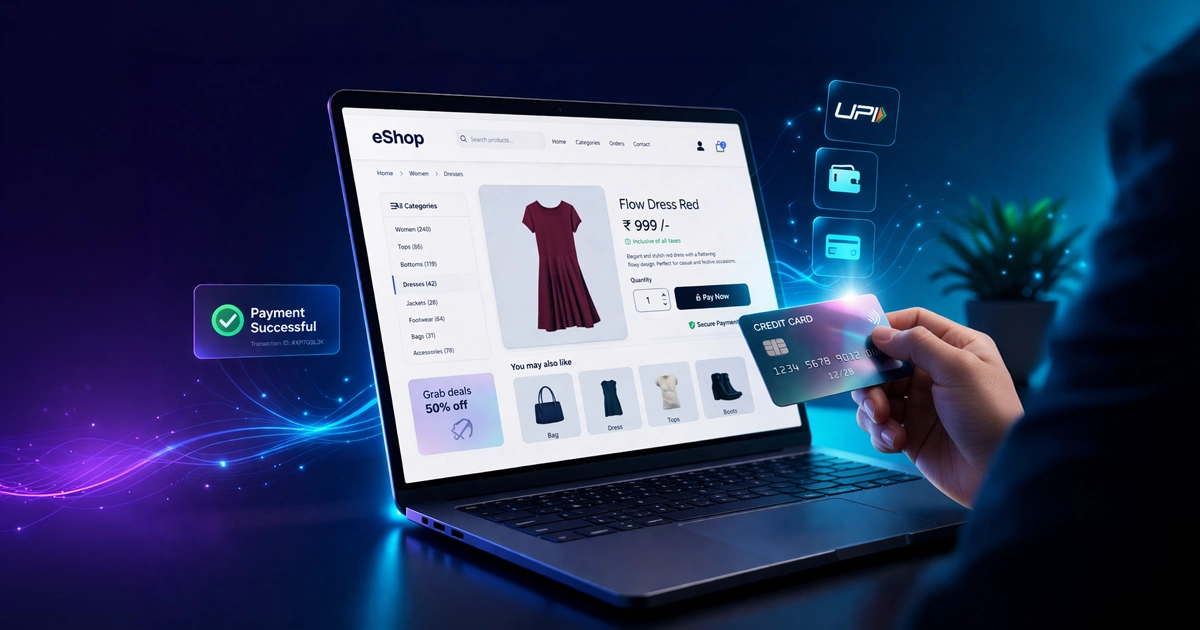
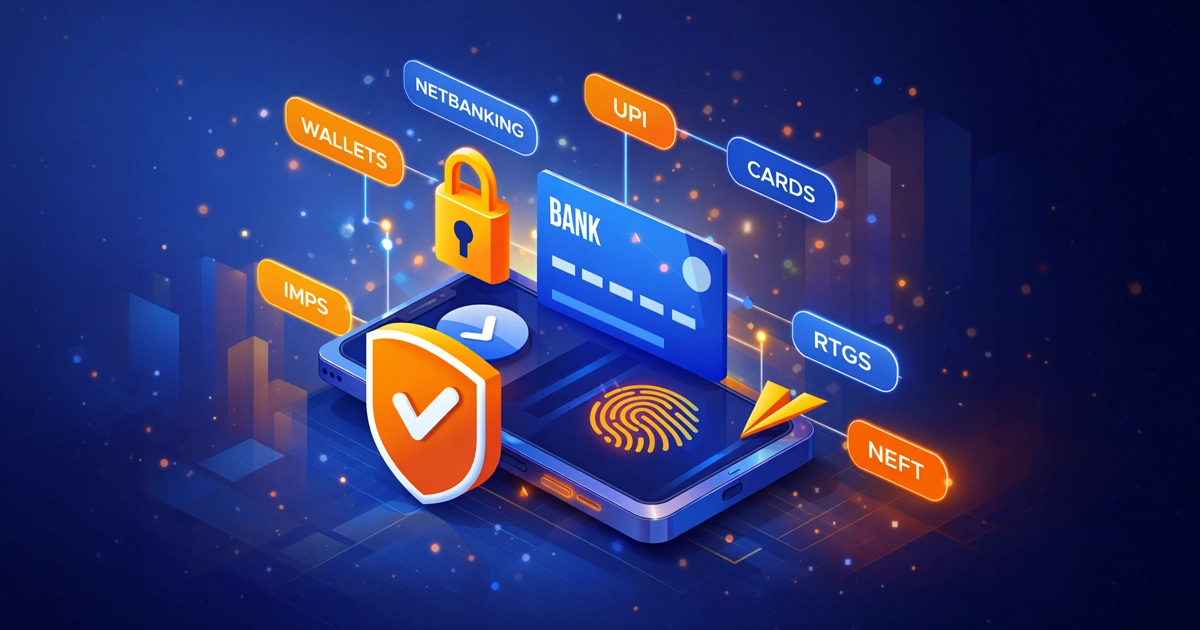
- Customer Initiates Payment: When a customer selects a payment method on the business website, app, or point-of-sale terminal, options may include UPI, debit card, credit card, or net banking.
- Secure Data Capture and Encryption: The payment processor encrypts payment information to protect customers’ sensitive data.
- Authorisation Request: The processor will submit the transaction request to the relevant bank or payment network (e.g., UPI or card networks) to authenticate it.
- Confirmation and Authorisation: The customer’s bank authenticates the request, confirms there is sufficient balance or credit, and approves or rejects the transaction.
- Transaction Confirmation: The system will either send an acceptance or a rejection to the business, and the customer will be notified in real time whether the payment has been made.
- Settlement and Fund Holding: Authorised transactions are recorded and settled into the merchant’s bank account in accordance with the agreed timelines and schedules.
- Reconciliation and Reporting: The processor provides detailed transaction reports and reconciliation tools, enabling businesses to track payments across multiple channels, match settlements to orders, and streamline accounting and compliance.
- Fund Disbursement to Business: After settlement, the funds (less applicable fees) are transferred to the business’s bank account linked to the processor.
Through these steps, third-party payment platform minimises operational workload for businesses without compromising secure, compliant payment processing.
Benefits of Using Third-Party Payment Processors
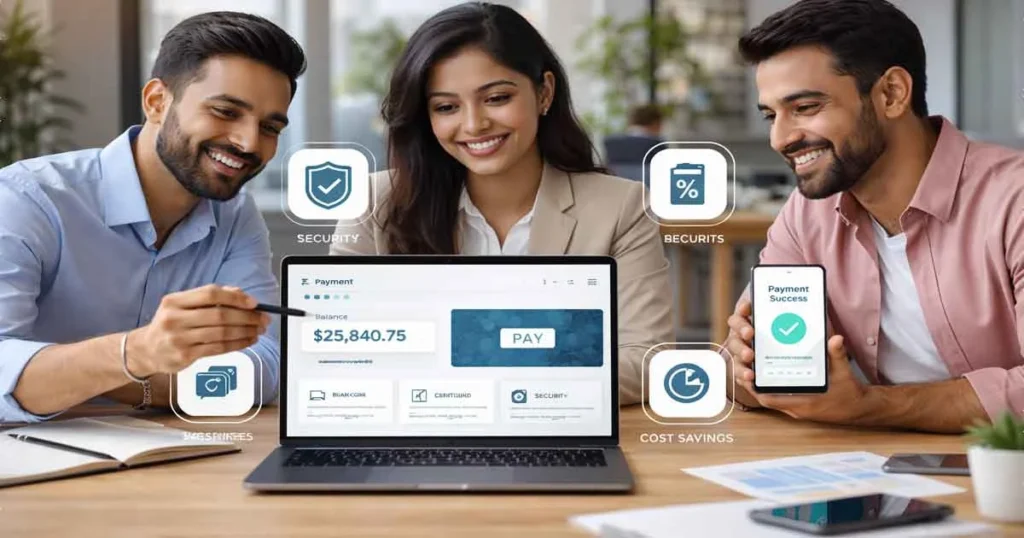
Businesses often prefer third-party payment providers because of these advantages:
- Easy set-up: Third-party payment platforms typically offer faster onboarding compared to traditional payment setups, subject to completion of KYC requirements, enabling businesses to get started more quickly.
- Lower price: The third-party payment gateway fee systems tend to be simpler and better suited to small businesses than merchant account providers.
- Intrinsic regulation and security compliance: Businesses should choose RBI-authorised payment aggregators and PCI-DSS compliant payment platforms, as this helps decrease the operational and regulatory load on the business.
- Multiple payment modes: Most processors accept UPI, debit and credit cards, net banking, wallets, and recurring payments, enabling businesses to support a wide range of customer payment methods in India.
- Aggregation: A key advantage of third-party processors over merchant accounts is that they pool payments into a single, large merchant account. The lower rates that the processor pays on its high-volume merchant account are beneficial to your business, and you do not need to concern yourself about having to maintain a merchant account. The processor, in its turn, charges a per-transaction fee.
- No commitment: Businesses also tend to use third-party payment processors since they do not need long-term contracts, which many merchant account providers demand. You’re not subject to a monthly service fee or a termination fee if you want to switch providers or close the business. This makes it possible for individuals and new small businesses to get up and running with low risk.
How SabPaisa Supports Third-Party Payment Processing
One of India’s leading RBI-authorised payment aggregators for Indian businesses is SabPaisa, an RBI-authorised payment aggregator known for its comprehensive platform. SabPaisa stands out by offering a one-stop solution for both online and offline payments:
- All Payment Modes on One Platform: The payment methods of SabPaisa are very diverse, with both online and offline payment options (cards, net banking, UPI and wallets) as well as cash/cheque collected via partner bank branches or counters and linked to a digital record, integrated into a single convenient dashboard. Cash and cheque collections through partner bank counters are digitalised through system entries, and the business can view all transactions (online or offline).
- RBI Approved and Secure: As an RBI-authorised aggregator, SabPaisa adheres to all regulations. It is PCI-DSS compliant and utilises bank-grade encryption and advanced fraud detection.
- Advanced Features for Businesses: SabPaisa is more than just a payment collection service. It facilitates recurring payments and e-NACH mandates (perfect for subscriptions), supports virtual account numbers to simplify B2B collection and reconciliation, and features such as payment links. Customisable forms allow a site to receive payments without a full website.
How to Choose the Right Third-Party Payment Processor
Indian businesses need to consider the following factors when choosing a third-party payment processor:
- Business Needs: Ticket and transaction volume, and payment method.
- Fee Structure: Full disclosure of transaction fees, payment schedules, and other charges.
- Payment Method Support: The payment system strongly supports UPI and other India-first payment systems.
- Security and Compliance: Compliance with RBI regulations and PCI-DSS standards.
- Scalability: Capacity to accommodate expansion along geographies and business lines.
- Refunds, settlements, and dispute handling: Clear processes for handling refunds, predictable settlement timelines, and efficient dispute and chargeback management are critical for maintaining cash flow and customer trust in the Indian market.
- Support and Reliability: Uptime and responsive customer care.
A carefully selected processor must be able to sustain long-term business growth without compromising compliance or customer experience.
Conclusion
Third-party payment providers are those that let your business accept payments without requiring you to open a merchant account. They make your job of accepting payments easier, more efficient and smooth.
Their services include fraud protection, reporting, subscriptions and online + offline branch/counter collections to help optimise the checkout experience. Whether a small business or large enterprise, partnering with a reputable payment processor can simplify payment processing workflows and accelerate business growth.
Frequently Asked Questions (FAQs)
1. Are third-party payment processors compliant with Indian regulations?
Established processors operate in accordance with RBI and NPCI regulations and rely on accepted security standards such as PCI DSS.
2. What’s the biggest advantage of third-party payment processors?
Third-party providers simplify and reduce the cost of payment processing for small businesses by aggregating the service across several businesses. You don’t have to manage your own complicated merchant account, payment gateway and terminals; all of these functions are rolled into a single service with a third-party payment processor.
3. Are third-party payment processors high risk?
Third-party payment processors aren’t significantly higher risk than other payment processing options for small businesses. However, your business could be at a higher risk of issues with the processor if you experience a lot of chargebacks or high-volume transactions. In that case, a high-risk merchant account can reduce your risk of losing access to funds.
4. How quickly can I access funds processed through third-party payment providers?
Settlement times vary by provider, ranging from same day to seven or more business days. Many offer expedited funding options for additional fees. As your processing history builds, some providers may offer faster standard settlement times.