

As businesses scale, choosing the right payout partner becomes critical for cash flow, compliance, and partner satisfaction. Whether a business is just starting or handling high volumes of transactions daily, there is always a need to send money outward. To explain payouts realistically, they can be described as payments made by a business to individuals or other parties. Such payments can be a salary, a refund, a loan payment, or even a payment to investors.
The objective of any business is not solely to generate revenue but also to ensure effective money flows among different functions. This is where business payout systems come in. They assist in ensuring that funds reach their respective beneficiaries promptly and without any mistakes. Such systems are now essential to companies to manage cash flow, maintain relationships, and meet regulatory requirements.
In the digital-first era of India, choosing an appropriate payout service is not a choice, but a necessity. If you are an e-commerce marketplace, handle vendor disbursements, or pay commissions, your efficiency, cost, and trust can be made or broken by a strong payout service provider. But which payout gateway or payout system is the best one to use in your business? With this final checklist, you can shop, analyse, and select with ease.
Why the Right Payout Service Matters
- A weak platform causes delays, failed transfers, and unhappy partners.
- A good platform gives you automation, transparency, and control.
- The right payout gateway improves your cash flow and reduces reconciliation overhead.
- In India, especially, aligning payment infrastructure with regulation is crucial, making the choice of your system critical.
For businesses in India, reliability, compliance, and local banking connectivity all play a significant role. And as an RBI-authorised platform, SabPaisa is well-positioned to meet these needs.
Checklist: What to Evaluate When Choosing a Payout Service

Here’s a simple framework to compare payout platforms based on what truly matters—speed, reliability, and compliance, etc. You can turn it into a decision matrix when comparing multiple payout service providers.
1. Regulation & Compliance Must Be Non-Negotiable
All good service providers need to comply with Indian regulations and laws. Select a provider that has the necessary licenses (e.g. according to RBI) and adheres to data privacy regulations. Unless your preferred platform is compliant, you risk receiving penalties or having your account suspended. Always ask: “Can you show me your regulatory clearances?”
2. Support for Multiple Payout Modes
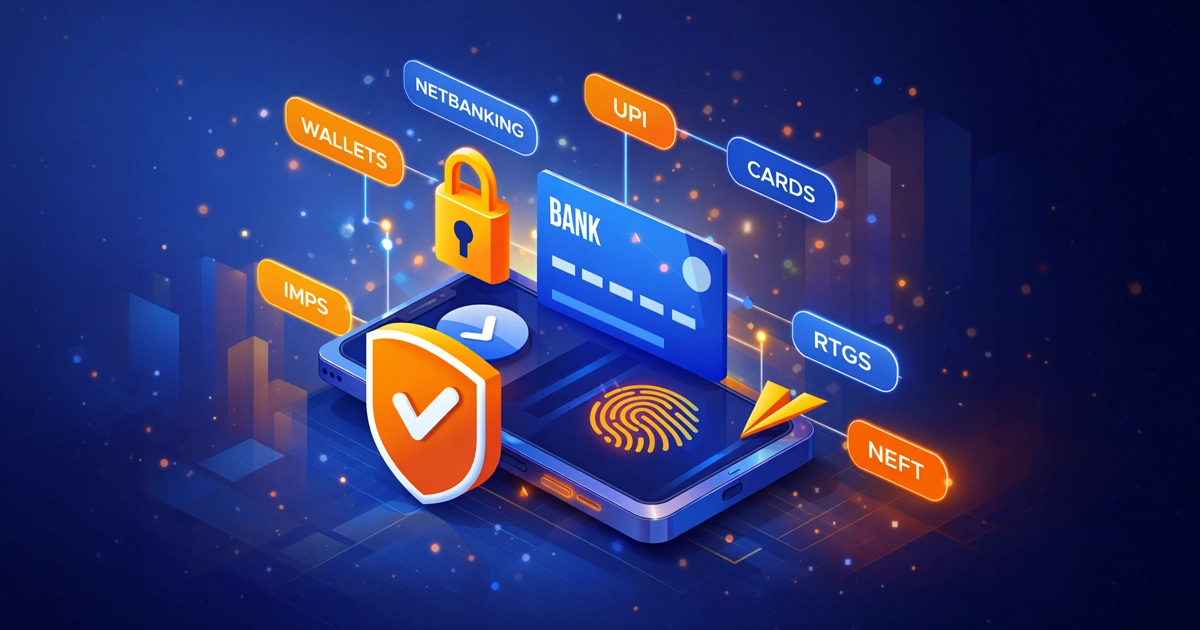
Your users in India might prefer to receive money in various ways. A pay-out gateway should facilitate transfers through IMPS, NEFT, RTGS, UPI, and even wallets when necessary. A flexible system enables you to choose the mode on a transaction basis. This will ensure more successful transfers and that your users are pleased.
3. Minimise Failures, Maximise Success Rate
A payout can only be useful when it gets to the user. Most transfers are successful with the best payout service. To do this, it must pre-check bank credentials, retry transfer failures, and smart route. A high success rate (e.g., 99% or higher) saves you some time, manual work, and frustration.
4. Speed & Settlement Transparency
Speed matters. The quicker the money gets to the beneficiaries, the more trust they will have in you. The service provider you have selected must be able to support disbursals in real time or the same day. In addition, you should be able to view status updates: dispatched, in transit, or settled. The transparency makes you and your recipients know precisely where the money is.
5. Bulk Payout Capability & Scalability
As your business increases, the payout demands will increase as well. An effective system enables large payouts: delivering 100s or 1,000s of transactions at a time. It must not be able to drop spikes. When you have to do one-by-one transfers, time is wasted, and mistakes are possible.
6. Clean, Fast Integration
You desire a service provider with easy-to-connect technology. They are supposed to provide you with APIs, SDKs, a webhook, and a sandbox environment to test. Well-documented and sample code are saving your developers’ time. A seamless integration saves you time and results in fewer bugs.
7. Visibility Through Dashboard & Reporting
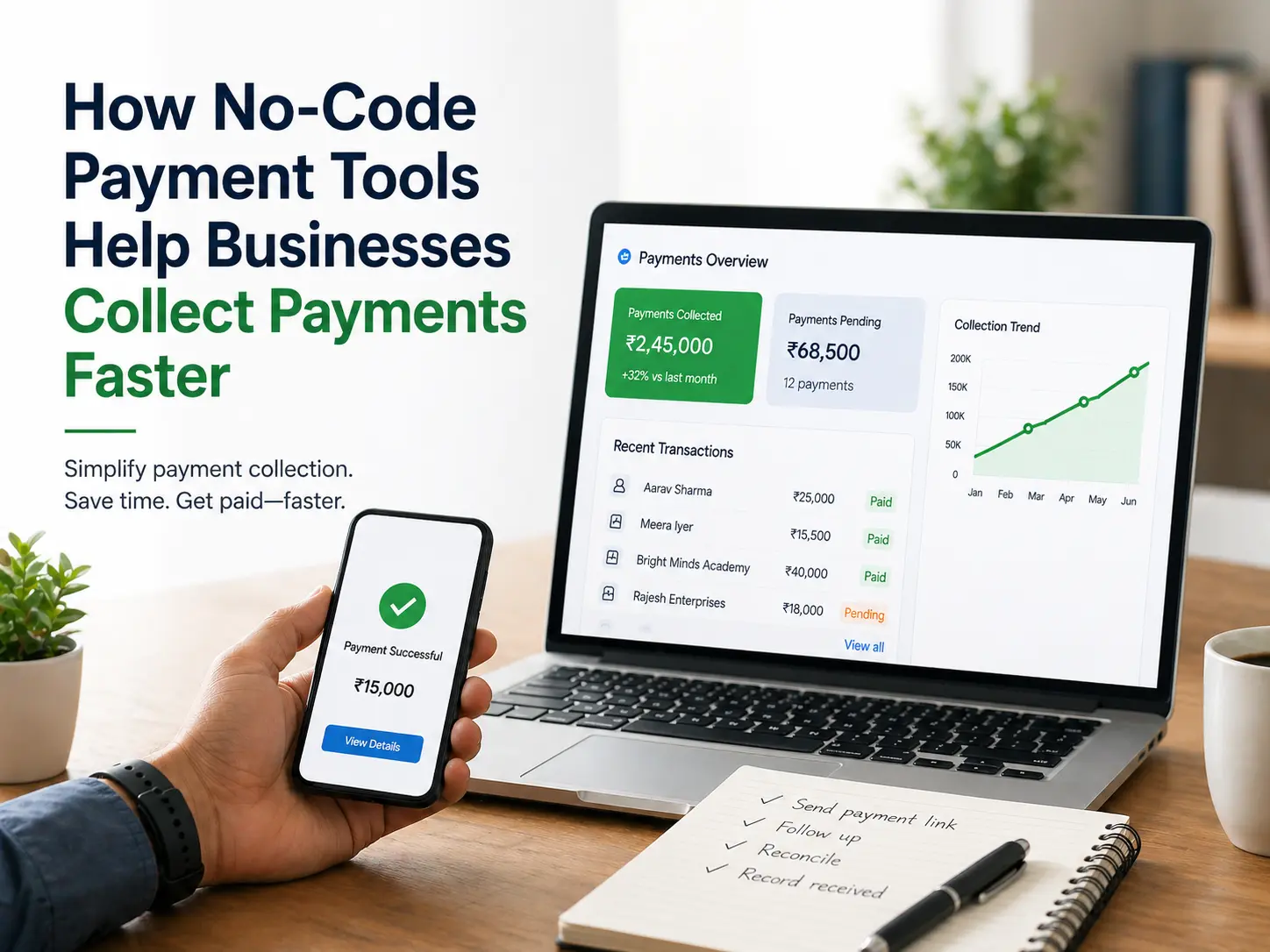
You must look and see what is going on. An effective service has a dashboard that has filters (by date, status, beneficiary), real-time logs, alerts and exporting options. This assists you in identifying failed payouts, account reconciliation and auditing history. You will never see; you will always be pursuing things you are not sure about.
8. Strong Security & Fraud Prevention
Since the payout puts money into circulation, you should safeguard against theft or abuse. A reliable payout gateway applies encryption, tokenisation, multiple-factor authentication, role-based authentication, and whitelisting of accounts. The provider ought to also allow dual or multi-level checks on large disbursals. Poor security is a significant threat that you cannot afford.
9. Transparent, Fair Pricing
Be aware of hidden fees that may surprise you later. When comparing providers, look for per-transaction costs, batch upload charges, reversal or return charges, minimum monthly charges, and setup charges. The most effective ones clarify how to pay. You know perfectly what you are going to pay, even as your volume increases.
10. Strong Support & Service-Level Agreements
Even the most optimal systems might experience problems. Select a service provider that offers reliable service, preferably 24/7. Also, confirm whether they assign you an account manager and articulate SLAs (e.g. we will fix critical issues within 2 hours). You desire swift assistance, not silence, when you have a payout breakdown.
11. Deep Banking Coverage in India
In India, banking networks are diverse. Your payout service partner in India should be linked with large banks, regional banks, NPCI / NACH / NEFT rails. In India, there are areas where a provider has poor bank connectivity, so some transfers will have to fail or be postponed. Deep coverage guarantees your payouts everywhere.
12. Custom Rules, Routing & Workflow Flexibility
Special business requirements: high-value transactions must follow special routing, low-value transactions must use lower-priced routes, and retries should occur after a defined time interval or approval flows. The most desirable system enables you to configure rules, workflow and custom logic. Such flexibility ensures that your business adapts its payout infrastructure rather than the other way around.
Why SabPaisa Is an Ideal Choice
SabPaisa, the RBI-authorised payout platform designed to transform how Indian businesses handle disbursements. Ditch the manual hassle and embrace automation, compliance, and scalability. SabPaisa empowers you to disburse with confidence through automatic, instant, and multi-mode payments.
Manage your payouts effortlessly: make payments, view their status, and execute multiple disbursements with a single click. Benefit from extensive banking coverage across India and a powerful admin dashboard tailored for diverse use cases.
Stop viewing payouts as just an expense; see them as an opportunity to optimise your operations.
Why SabPaisa is the Right Choice for Your Business:
- Efficient Cash Flow Management: Handle bulk payments, including UPI, seamlessly. Ensure timely disbursements to vendors, customers, and suppliers to keep daily operations running smoothly and foster growth.
- Enhanced Compliance & Reduced Risk: Timely, regulated payments not only build strong relationships but also ensure you meet regulatory requirements, such as tax filing, thereby avoiding heavy penalties, lawsuits, and reputation damage.
- Boost Operational Efficiency: Eliminate manual payment tasks by automating your payout system. Schedule payments, set up recurring transactions, and manage bulk salary disbursements seamlessly, saving time, energy, and administrative costs.
- Improved Financial Planning: A robust payment system ensures timely payments, avoiding late fees and dissatisfaction. This frees up resources, making budget allocation and financial planning easier and more precise.
Ready to find out if SabPaisa is the right fit? Use this checklist to compare and select the platform that will truly scale your business.
Conclusion
The selection of the appropriate payout service is vital for the success of your business, maintaining credibility with your partners, and ensuring cost-efficiency. Follow the checklist given above to systematically review service providers, evaluate payout gateways, and choose a robust system, particularly for your India-based business.
Whether it’s vendors, partners, employees, or customers, payouts streamline payment processes, enhancing relationships and improving operational efficiency. With features like multiple payment options, automation, and scalability, payout services offer businesses a convenient and secure way to manage their financial transactions. SabPaisa’s payout services, with their focus on security, customisation, and real-time reporting, provide businesses with the tools they need to streamline their payout processes and enhance their financial management capabilities.
Get in touch with SabPaisa now for a free demo and integration support!
Frequently Asked Questions (FAQs)
1. What is a payout service?
A payout service refers to a system that allows a business to transfer money out to vendors, employees, partners or customers. Instead of transferring money to the bank manually, you rely on a payout service provider or payout gateway that takes care of the routing, status tracking, and reconciliation.
2. How does a payout gateway differ from a payout system?
A payout gateway refers to the technical interface (API or portal) that funds move through. In contrast, the payout system is the larger infrastructure – logic, scheduling, security, workflows, and dashboards. Collectively, they provide the full payout capability.
3. Why is choosing a payout service provider in India especially important?
India provides its banking regulations, RBI regulations and payment rails ( IMPS, NEFT, UPI, RTGS, NACH, and others). In India, a payout service provider provides high levels of local bank connectivity and compliance. Some states or banks might experience delays or even failed transfers when using a generic provider.
4. What are the typical fees involved in a payout service?
Fees may include:
- Charges per transaction or per payout.
- Bulk payout or batch upload charge.
- Cancellation or unsuccessful transaction fees.
- Minimums or fixed platform fees are monthly.
- Request the provider to always provide a pricing sheet to estimate the overall cost.
5. Can I schedule payouts in advance or automate recurring payments?
Yes – an effective platform must allow you to schedule upcoming payouts, process daily/weekly/monthly payouts, and allow auto-triggered payouts. In this manner, you do not need to make all payments manually.
6. What happens if a payout fails or is returned?
In case a payout is a failure (because of bad bank info, insufficient funds, etc.), a good payout gateway will send back a clear error code or cause. The system is supposed to automatically either reattempt or enable you to restart. It must also balance and report failures to allow you to take remedial action.