

SUMMARY: A payment gateway is an online banking interface that securely transfers funds between customers, merchants, and financial institutions. It encrypts and verifies payment details to provide transaction integrity. Banks employ gateways to provide internet-based payment services, increase their electronic presence, and maintain compliance with laws. Important features are Security, One-Click Checkout, On-time transaction settlements, and Seamless integration into financial systems.
With the rapidly evolving digital landscape, payment gateway banks in India are now the most important factor in ensuring that electronic transactions are conducted safely and easily. With the world shifting towards electronic payments and online payments becoming a more reliable way to transfer funds, companies and individuals are opting for online payment gateways. This shift simplifies the process of sending and receiving money and other sensitive financial data.
A payment gateway in banking is a virtual interface between merchants, customers, and financial institutions that facilitates money flow and ensures transaction integrity and security. It serves as a secure platform that encrypts and authenticates payment information to guard against fraud and unintended access. Online payment gateways have transformed the way we conduct business and make online purchases by offering an easy and convenient payment experience.
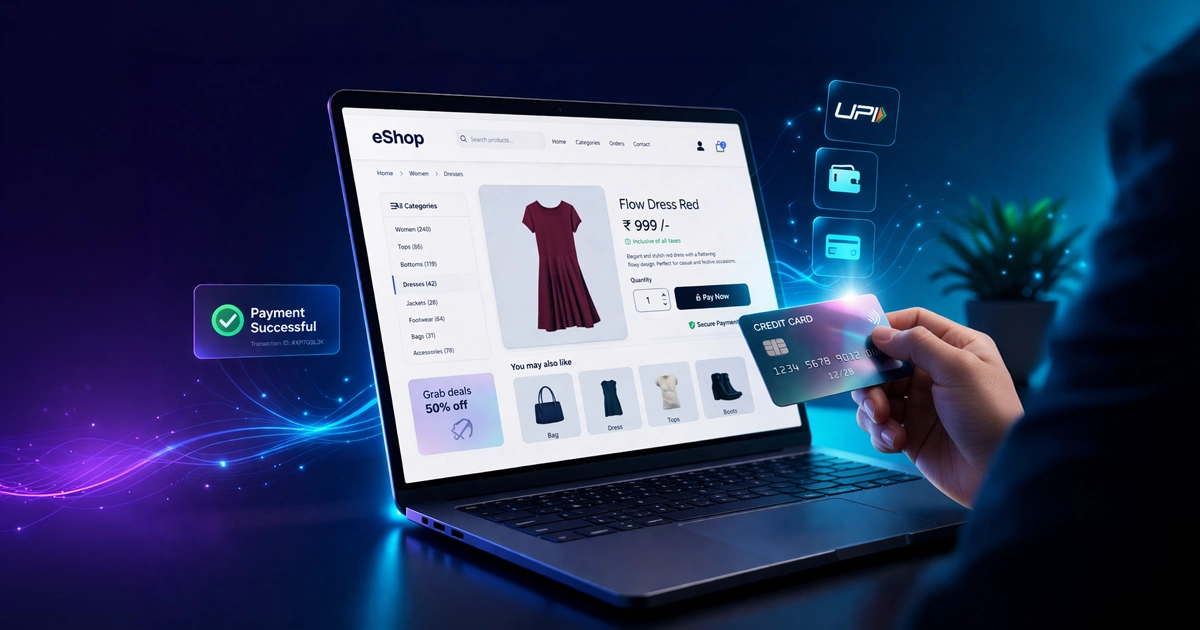
Online payment gateways have their functionality and architecture to support more than just credit cards; debit cards, digital wallets and bank transfers are also supported. Merchants provide such gateways on their websites or mobile apps. After purchasing, customers can choose a mode of payment that suits them and complete the transaction easily.
This blog delves deeper into why a payment gateway is essential in Indian banking and what key features of an Indian bank payment gateway you must consider. At SabPaisa, we trust in driving the future of bank internet payment software with strong, safe, and adaptable infrastructure.
Why Banks Use a Payment Gateway
Banks (or payment aggregators tied to banks) adopt payment gateways to:
- Offer bank online payment services to merchants and customers.
- Lock in customer loyalty through seamless digital experiences.
- Expand their digital footprint in merchant services, utility payments, and other areas.
- Comply with regulatory, audit, and security requirements.
- Monetise transaction flows (fees, value-added services).
When you choose a payment gateway in banking, you are essentially choosing how smooth and trusted your payments will feel to end users.
Key Features of a Bank Payment Gateway You Must Know
Here are the essential features a robust payment gateway in banking must offer. Use these as your checklist when evaluating:
1. Secure and Risk Compliant
Security is a significant aspect of any online payment system. Customers’ payment methods should always be encrypted, and end-to-end security should be available to ensure that no one can access their sensitive personal information.
If there are any lapses in security, potential customers will be reluctant to use your site and make payments. Instead, they’ll look for alternatives and leave you with fewer conversions than you deserve. This can hurt your business’s reputation and overall success. It is best to avoid cutting corners on security to prevent significant losses down the road.
Check on the risk compliance that the gateway follows. PCI-DSS is one such industry-standard guideline for card transactions.
2. One-Click Checkout
Your preferred payment gateway should be responsive, meaning it can swiftly and easily adjust to different devices, particularly mobile ones. If your customers have difficulty completing their transactions due to an outdated or poor checkout page design, they’ll bounce back from your site—and likely never return. Instead, you may guarantee fewer payment drops by selecting a mobile-friendly checkout design and facilitating a smooth payment process.
3. Tokenisation and Secure Authentication for Recurring Payments
The process of replacing a sensitive data element with a non-sensitive one is known as tokenization. This is particularly useful for recurring transactions such as utility bills or subscriptions, since the bank does not necessarily store your account number —only the token —which is much safer. SabPaisa supports this by:
- Securing the payment credentials stored.
- Easy to make frequent payments, as per the RBI’s rules.
- Reducing the bank’s risk by not dealing with raw card data.
4. Timely transaction settlements
Settlement is the process of having customer payments transferred to your bank account. This is particularly crucial for online sales. Getting payments into your company’s bank account as soon as feasible will improve cash flow management. You can receive payments more quickly than ever before with a variety of payment methods, including bank transfers and immediate reimbursements.
You can evaluate from the various available settlement cycles. From the industry standard of T + 1; T + 2 cycle, where T is the transaction date, to those that offer a real-time settlement. The more options you have, the quicker you can get paid—and put money back in your pocket.
5. Easy integration with Enterprise Systems
Many enterprise systems and digital channel platforms, such as WooCommerce, Drupal, Magento, OpenCart, and Shopify, integrate with payment gateways to help you accept payments online. The ability to quickly set up a payment acceptance system is the primary advantage of combining your payment gateway with your bank’s digital infrastructure.
You should look for a payment gateway that is easy to integrate with your eCommerce platform if you intend to launch an online store on a well-known platform.
6. Non-website payment solutions
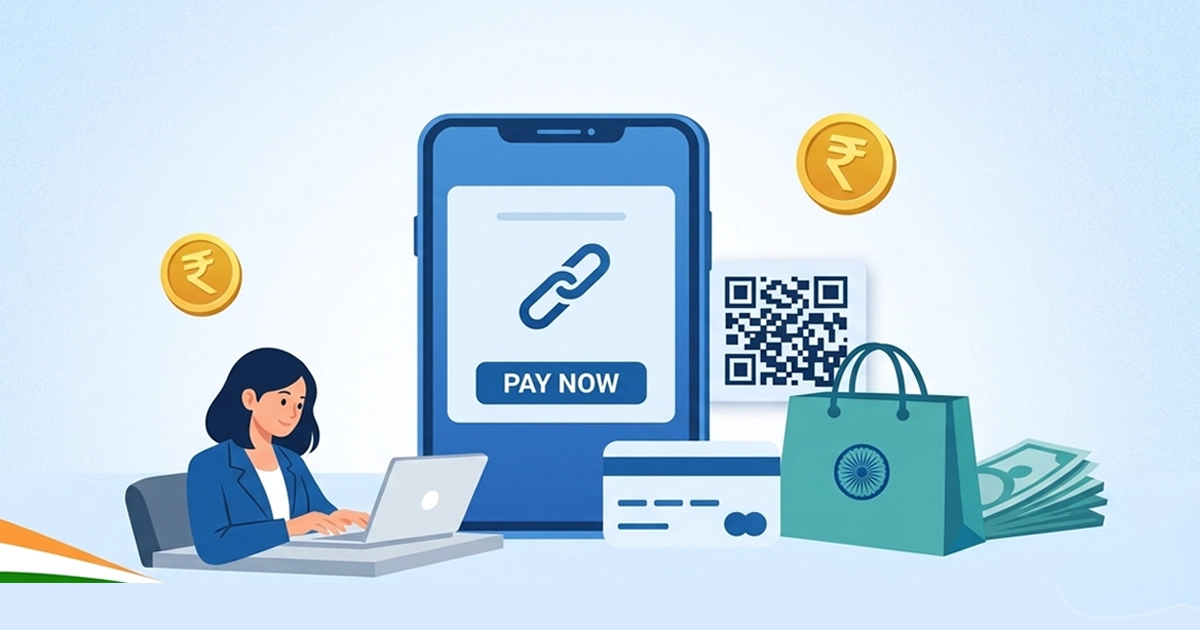
Do you want to collect payments outside your website? The payment link and payment page are good options to start accepting payments without any integration. You can reach your customers through their preferred channels like WhatsApp, SMS, Email and more.
Special Considerations for Indian Bank Payment Gateways & Payment Gateway Banks in India
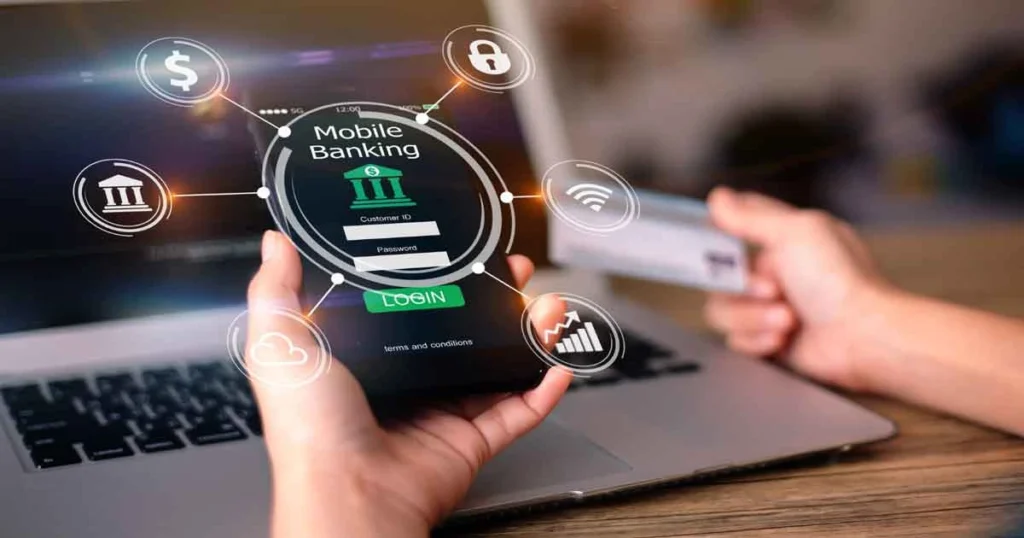
These factors are particularly critical to consider when working with payment gateway banks in India or selecting an Indian bank payment gateway because India has its own regulatory and infrastructural environment:
- RBI Payment Aggregator Rules: Payment entities linking merchants should comply; a significant number of gateways may need to be licensed as payment aggregators. SabPaisa has already been RBI-authorised.
- Data localisation and data storage: Indian transactions usually require local data storage in India.
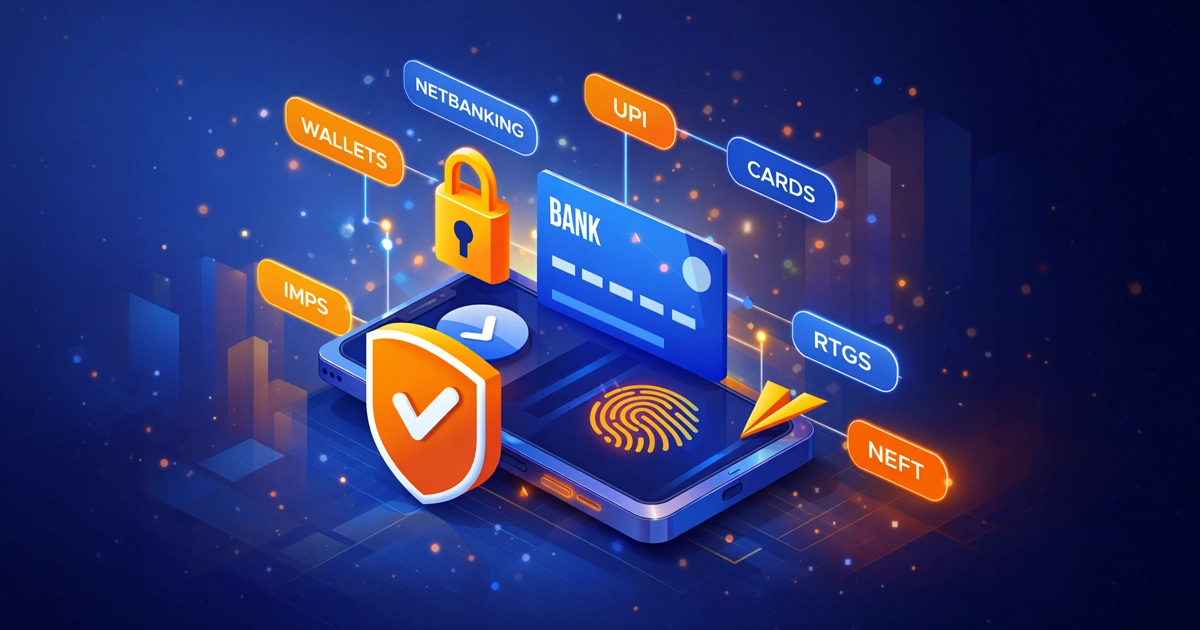
- NPCI / UPI & IMPS Connection: A native bank online payment solution should be able to support UPI, IMPS, NEFT, etc.
- BharatQR and Aadhaar payments: Local QR implementations (e.g. BharatQR) improve accessibility.
- Multiple Bank Tie-ups: Indian banks frequently include a payment gateway that supports multiple banks (acquiring/issuing). SabPaisa partners with white-label with public and private banks such as BOI, BOB, Indian Bank, and Canara Bank.
- Offline / Hybrid Channels: Cash and offline counters in India are relevant. The gateway must facilitate offline collections with online flow. SabPaisa serves 1.4 million cash counters.
- Reduced Transaction Costs: Merchants in competitive markets look forward to low transaction costs and the ability to implement discretionary pricing strategies.
- Settlement Time Norms: Certain rules in banks limit the speed at which money can be unsettled.
- Fallback & Redundancy: Fallback routing provides continuity in scenarios where connectivity in India may be unstable.
Why Choose SabPaisa for Your Payment Gateway Needs?
SabPaisa delivers India’s most advanced solution for payment gateways. We are exclusively focused on servicing Indian customers and companies targeting the Indian market.
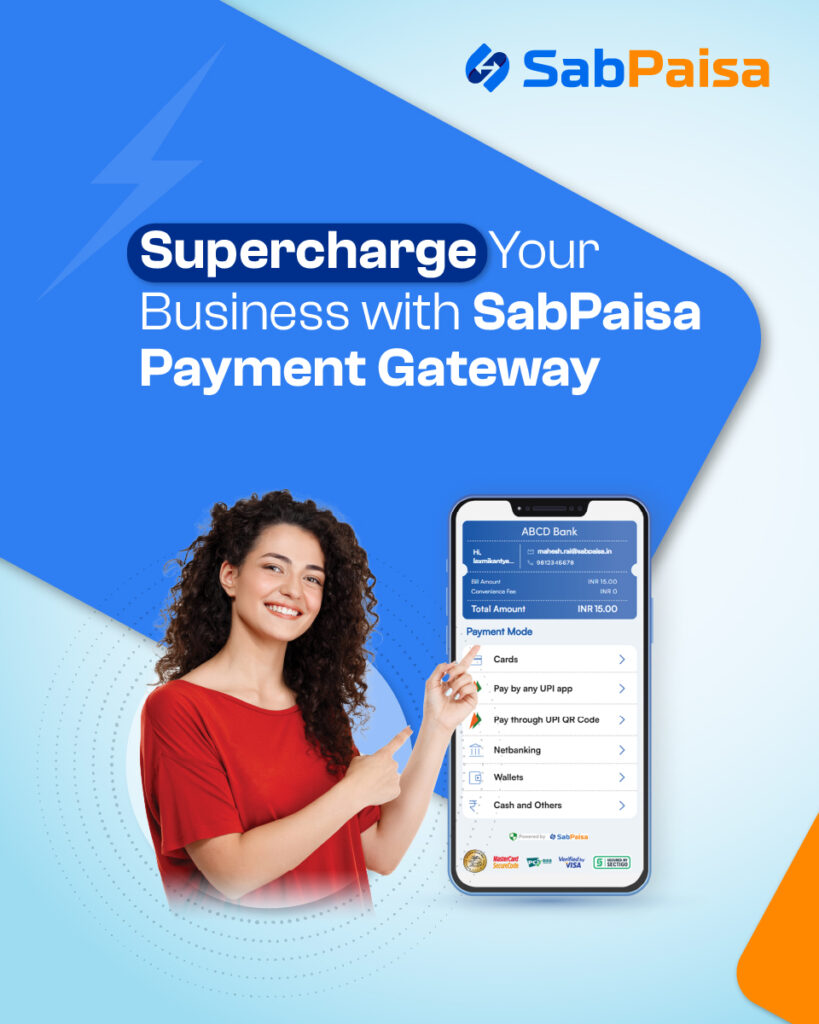
As a payment aggregator authorised by the RBI, we are India’s first Hybrid Payments Platform, thus enabling seamless transactions. Our omnichannel payment gateway service allows you to safely accept UPI, debit/credit cards, net banking, and wallets on your website or application.
This is why SabPaisa is the perfect solution for your business:
- Multi-Channel Payments: Let your customers pay the way they like—UPI, Net Banking, credit/debit cards, wallets, and more.
- Secure Payments: Keep every transaction safe with PCI-DSS compliance and advanced fraud protection.
- Easy Integration: Get started quickly with simple plug-and-play APIs.
- Fast Settlements: Receive your money in your bank account without delays.
- Customizable Checkout: Build branded payment pages for a smooth, professional experience.
- 24/7 Support: Our team is always ready to help, so your payments run without a hitch.
Final Thoughts
The payment gateway in banking is not just a technical instrument in the digital transformation of India, but also the foundation of trust, speed, and scalability. Whether it’s a bank providing merchant services or a business incorporating a bank payment gateway, it is important to understand features such as security, API, settlement, and hybrid modes.
SabPaisa is determined to be the driving force of this change. As an RBI-approved platform with extensive bank connectivity, offline access, robust technology, and compliance, SabPaisa helps banks and businesses provide a global online banking payment experience in India.
Are you ready to drive your bank or business with a smooth Indian bank payment gateway? Collaborate with SabPaisa and make bank online payment systems safe and scalable today.
Frequently Asked Questions (FAQs)
1. What are the benefits of a payment gateway?
A payment gateway is a secure connection between your site and your payment processor. It is a solution that enables you to receive a variety of payments using credit cards, debit cards and electronic checks.
2. How important is a payment gateway in eCommerce?
To make your eCommerce store or website a success, you need to locate a reliable, secure, and easy-to-use payment gateway. Although the market today has numerous payment gateways, not every payment gateway is created equally.
3. How does a Payment gateway keep information secure?
A payment gateway implements several data protection practices. It involves the encryption, where sensitive data is substituted by an unreadable token in the case of tokenisation. In addition, it authenticates transactions using technologies like CVV/CVC verification and 3D secure, employing real-time fraud verification and IP address verification to identify suspicious behaviour and ensure complete adherence to rules of practice, such as PCI DSS.
4. Can Payment Gateways Be Integrated With Any eCommerce Platform?
Yes, it is easy to integrate eCommerce with payment gateways for checkout. An example is SabPaisa, which offers a set of solutions to the various needs of eCommerce brands.