



The landscape of cooperative banking in India is undergoing a remarkable transformation, driven by digital payments and artificial intelligence (AI). The adoption of technologies not only enhances the efficiency of operations but also opens up new avenues for customer engagement and business growth. Cooperative banks, traditionally reliant on manual processes, are now embracing the digital shift, making their services more accessible and inclusive, particularly to underserved populations.
SabPaisa, an RBI-compliant payment aggregator, recognises the central role of AI and digital payments in this shift. As a Silver Partner at the Rashtriya Urban Cooperative Banking Summit 2025, SabPaisa is actively contributing to the dialogue on innovation in banking.
Here’s how AI in digital payments is enabling the next phase of inclusive banking for cooperative institutions in India.
What is Cooperative Banking in India?
Cooperative banking plays a pivotal role in the financial inclusion of underserved communities across India. These banks are democratically owned and managed by their members, and their primary goal is to offer accessible financial services, such as savings accounts, loans, and insurance, to lower-income groups and small businesses.
Unlike commercial banks, which are profit-driven, cooperative banks reinvest profits back into their members, making them a vital part of India’s financial ecosystem. Their key advantage is their ability to serve rural and semi-urban populations, areas often neglected by larger, commercial banks.
Cooperative banks have long been constrained by outdated infrastructure and manual processes. However, the digital revolution is gradually changing that narrative. Today, digital payments, AI, and machine learning are helping these banks modernise their systems, improving service delivery and enabling financial inclusion at scale.
The Digital Shift: Why Cooperative Banks Are Moving to Digital
The transition to digital banking is no longer just an option; it’s a necessity for cooperative banks in India. Government-led innovations like UPI (Unified Payments Interface), e-RUPI, and the Public Tech Platform for Frictionless Credit continue to strengthen the country’s digital financial infrastructure, making payments more inclusive and seamless.
These efforts are complemented by private players like SabPaisa, an RBI-compliant payment aggregator that offers AI-powered payment solutions designed to streamline operations and improve accessibility.
By embracing digital payments, cooperative banks can:
- Enhance customer experience by offering fast, reliable transaction methods.
- Expand reach to unbanked populations, particularly in rural and semi-urban areas.
- Streamline operations by eliminating manual processes and minimising human error.
For instance, UPI has become a cornerstone for real-time payments and financial services, enabling cooperative bank customers to participate in the digital economy easily. Today, digital payments are not just an alternative; they are the default mode for millions of Indians.
How AI is Revolutionising Cooperative Banking in India
AI has now become an integral part of the banking sector, including cooperative banks. AI helps optimise processes, enhances customer experiences, and provides better security measures for financial transactions.
Some key areas where AI is making an impact include:
- AI chatbots for Customer Support: AI-powered chatbots are providing 24/7 support to customers, answering queries related to account balances, transaction histories, loan eligibility, and more. These AI chatbots are constantly learning, allowing them to become more effective over time.
- Fraud Detection: AI’s ability to analyse vast amounts of transaction data in real time enables cooperative banks to identify unusual patterns and flag any fraudulent activity before it causes damage. Thus, by employing AI and machine learning algorithms, banks can detect and prevent financial fraud more efficiently.
- Personalised Financial Products: AI enables cooperative banks to offer more personalised banking solutions. For example, AI can analyse customer data and recommend products like personal loans, credit cards, or insurance based on an individual’s financial history and needs.
In the realm of AI in banking and finance, tools like predictive analytics are also being used to forecast market trends and customer behaviour, allowing banks to plan better for the future.
SabPaisa offers innovative AI-powered payment solutions to cooperative banks, making them more competitive in an increasingly digital world.
Digital Payments: Enhancing Accessibility and Efficiency

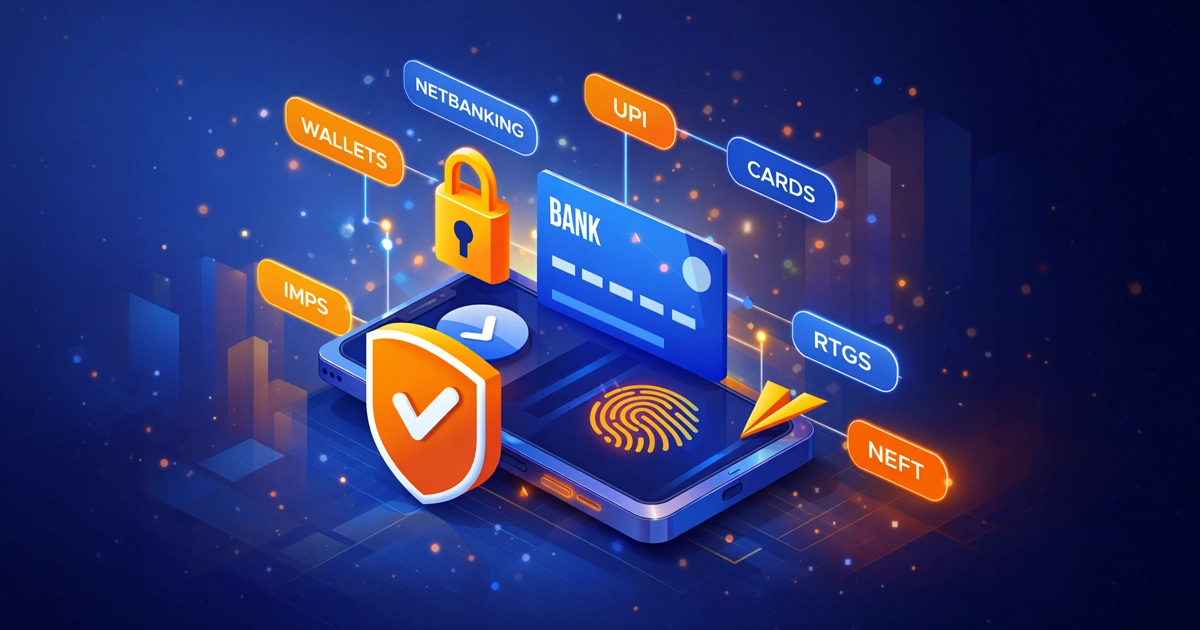
Digital payments are not just about convenience but about empowering customers and financial inclusion. Through the adoption of UPI, mobile wallets, and QR codes, cooperative banks can offer fast, secure, and accessible payment methods to their customers.
Here are some of the key benefits of adopting digital payments:
- Increased Accessibility: People in rural or underserved areas now have easy access to digital payments, which were once limited to urban regions.
- Efficiency Gains: Digital transactions are faster and more efficient compared to traditional methods, reducing waiting times and improving the overall customer experience.
- Cost Savings: Cooperative banks can significantly reduce the costs associated with paper-based transactions and manual labour.
The integration of AI in digital payments ensures greater security and accuracy, making digital banking more reliable for cooperative banks and their customers.
Key Benefits for Cooperative Banks Adopting AI and Digital Payments
The integration of AI and digital payments in cooperative banking brings several significant advantages:
- Increased Efficiency: Automating processes such as fraud detection, customer support, and loan disbursement reduces human errors and operational costs.
- Customer Retention: By offering personalised services through AI, banks can enhance customer satisfaction, leading to higher customer retention.
- Competitive Advantage: In this rapidly evolving digital economy, adopting AI and digital payments can give cooperative banks a competitive edge, enabling them to better serve their customers/users and stay ahead of competitors.
SabPaisa’s involvement in AI-powered solutions for cooperative banks is a testament to how digital payments can drive efficiency and profitability in these institutions.
The Road Ahead: Opportunities & Challenges
The adoption of AI and digital payments in cooperative banking holds enormous potential for growth. However, there are challenges:
- Digital Literacy: Many cooperative bank customers, particularly in rural areas, may lack the skills to use digital payment systems effectively. Overcoming this barrier through training and awareness campaigns is essential.
- Technology Adoption: Cooperative banks may face financial constraints when adopting new technologies. Governments and fintech companies like SabPaisa can play a crucial role in supporting these banks through subsidised solutions and training programmes.
Despite these challenges, the opportunities presented by AI and digital payments are far-reaching. By leveraging these technologies, cooperative banks can improve their operations, enhance customer engagement, and contribute significantly to financial inclusion in India.
Conclusion
The future of cooperative banking in India lies in the successful integration of AI and digital payments. These technologies improve efficiency and enable cooperative banks to offer better customer services, reduce operational costs, and stay competitive in a rapidly digitising market. As the cooperative banking sector continues to evolve, AI and digital payments will play a central role in driving this transformation.
With its AI-powered, RBI-compliant infrastructure, SabPaisa helps cooperative banks scale their digital capabilities without compromising on regulatory requirements.
FAQs
1. What is Co-operative Banking?
Co-operative banking refers to financial institutions that are owned and operated by their members. These banks focus on providing affordable and accessible financial services to communities, particularly those that are underserved by traditional banking institutions. The aim is to promote financial inclusion by offering savings, loans, and other services at fair rates, benefiting members directly rather than focusing on profit.
2. How is AI transforming cooperative banking in India?
AI is enhancing fraud detection, improving customer service through chatbots, and enabling personalised banking solutions.
3. What role do digital payments play in cooperative banking?
Digital payments such as UPI, mobile wallets, and QR codes are helping cooperative banks expand access, improve efficiency, and reduce transaction costs.
4. What are the benefits of adopting AI and digital payments in cooperative banks?
The adoption of AI and digital payments leads to improved efficiency, better customer experience, and a stronger competitive position.