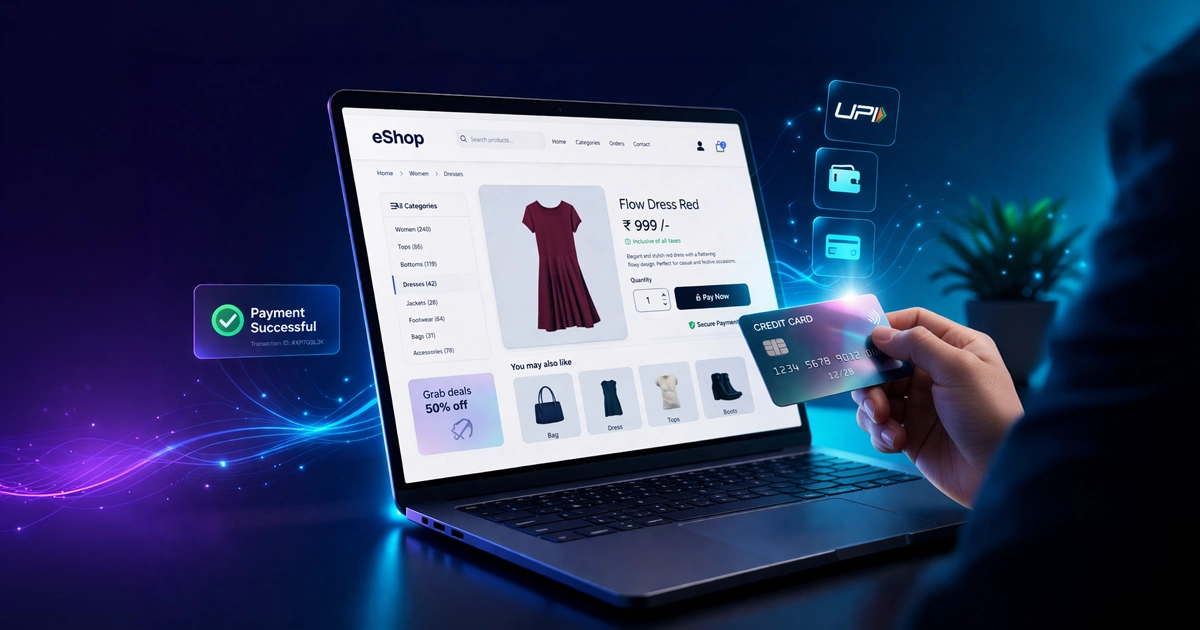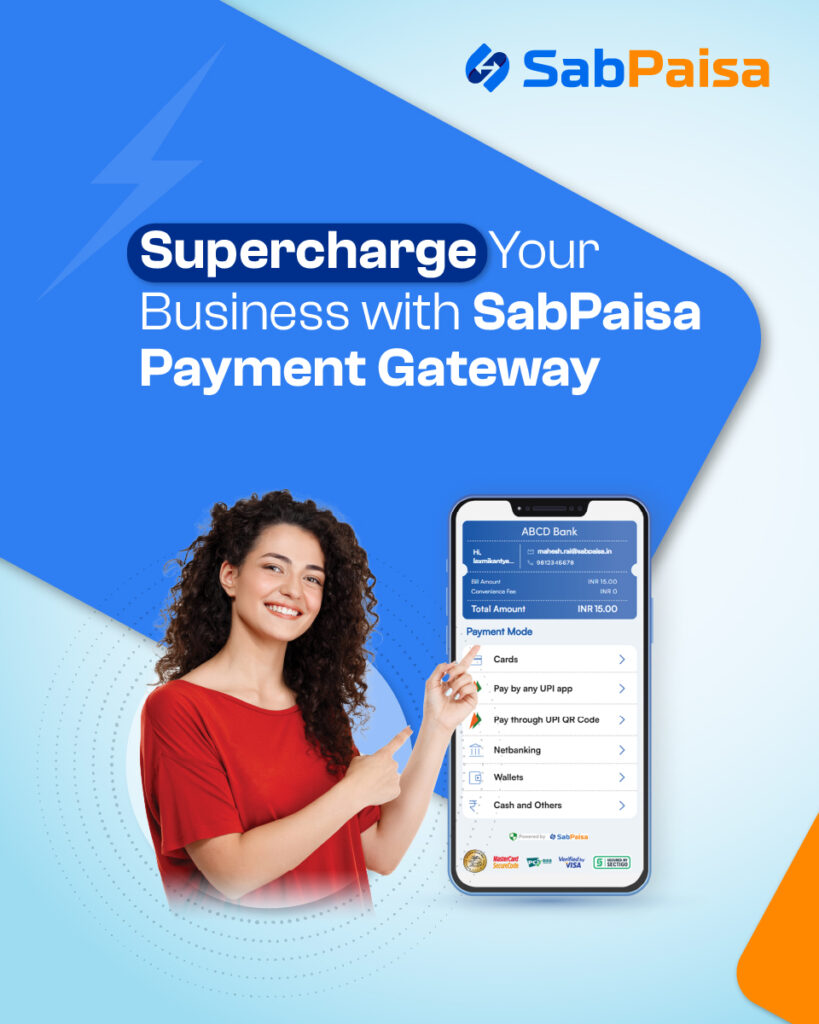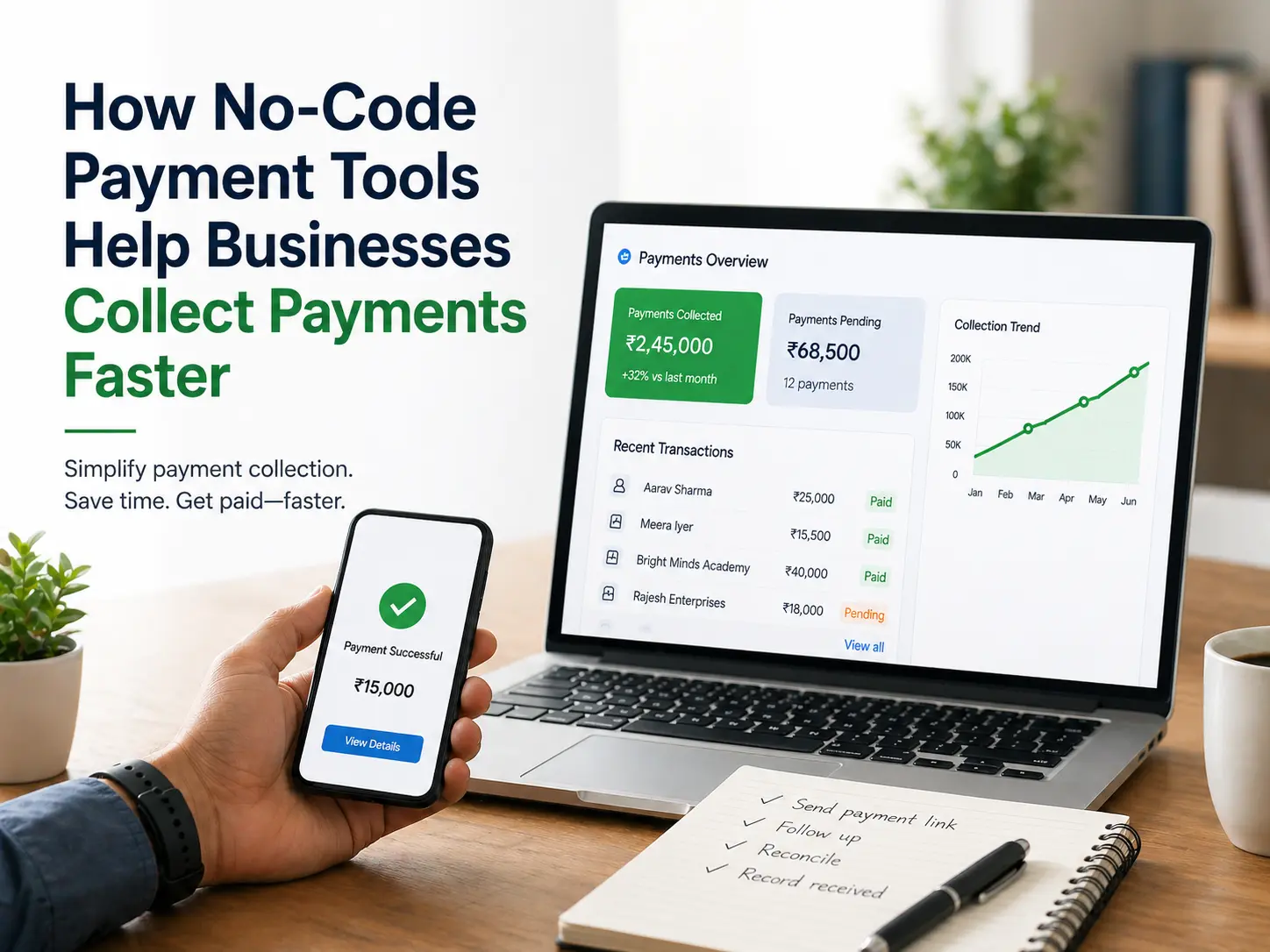


The best payment gateway for e-commerce websites is a payment processing solution that authorises payments for online, brick-and-mortar, and omnichannel sales using debit cards, digital wallets, and credit cards. Simply put, it facilitates transactions between the seller and the client. In addition to security and rapid payments, it provides ease and convenience. It functions as an invisible cash register for digital transactions. Choosing the right payment gateway for an e-commerce website in India is crucial for businesses aiming to grow digitally, as it enables quicker transactions and enhances customer satisfaction.
The payment gateway for e-commerce inspires trust in customers to use an online business or e-commerce store to fulfil their shopping needs without worrying about attacks by hackers or phishing due to stolen card information, ensuring a hassle-free experience. The success of an online business, a brick-and-mortar firm, and, particularly, an e-commerce store is dependent on the support of a dependable and recognised payment processor. A payment gateway serves as an intermediary, liaising between customers and e-commerce stores to receive payments and process client refunds. With a few clicks, data is sent to many parties.
Functions of the best payment gateway for e-commerce
The following are some of the important functions of the payment gateway for e-commerce:
- E-commerce stores, online enterprises, and physical shopfronts all have easy and seamless access to client payments.
- Maintain the security of client information and money paid through the system.
- By providing a high level of encryption, reputable and dependable payment gateways prevent fraud and theft of cash while also earning the trust of customers.
- A payment gateway should reduce the number of shopping cart abandonments caused by a lack of payment choices, technical difficulties, or a poor in-store experience.
Understanding Ecommerce Payment Gateway Requirements
A good Ecommerce Payment Gateway should have a sound capability of authorizing both online and in-store transactions and accept credit/debit cards and digital wallets without any problems. The choice of a payment gateway in India is essential to provide a quick checkout and guarantee customer loyalty. Key requirements include:
- Multi-channel support: To reduce drop-offs during checkout, the gateway should provide support for popular payment methods (cards, UPI, wallets).
- High security: High-level encryption (SSL/TLS) and PCI DSS compliance, as well as fraud protection, are obligatory. Top gateways for the end-to-end encryption of payment data to eliminate theft and phishing.
- Reliability: Find gateways that experience less significant downtimes and quick authorizations to prevent cart abandonments. Real-time processing (seconds per transaction) is needed.
- Ease: The payment experience is improved through a convenient interface and a rapid payment (in 1-2 days). The gateway is an invisible cash register and a dependable one creates confidence and brings the customer back to purchase.
To conclude, merchants must consider gateways based on extensive acceptance of payment, a high level of security and fast and dependable processing. According to SabPaisa, a leading e-commerce gateway in India, not only does it approve payments promptly, but it also ensures ease and convenience to the customers.
Features to look out for when choosing the best payment gateways for e-commerce

Every payment gateway has several features that distinguish it from others. Some of the payment gateways for e-commerce combine these features with responsive customer support and global reach. However, a few standard qualities of any payment gateway that you should look for when picking your e-commerce success are as follows:
- Locally supported in your country: Even if the payment processor operates globally, it must provide your clients with a seamless ability to pay in your country’s local currency.
- Encryption: The payment gateway encrypts data sent between the user’s browser and the retailer’s server. This special private data is available for use by the seller and the buyer.
- Initiation of the request: The authorisation request is initiated when a financial institution or credit card firm decides to proceed with the transaction data.
- Fulfilment: Upon receiving this authorisation, the payment gateway notifies the website that the transaction can proceed. The authorisation and transaction processing should be seamless.
- Payment Methods: Analyse whether the payment gateway redirects the money, allows for on-site checkout with back-end payment processing, or enables on-site payments, giving you more control.
- The payment process: When customers make a purchase, they enter their credit or debit card information. The payment gateway should encrypt the connection between the browser and the merchant’s web server using Secure Sockets Layer (SSL). The merchant sends the transaction to the payment gateway, which also has an SSL-encrypted connection to the secure server. The payment gateway transforms the message, and the card information is sent to the credit card issuing company, which processes the authorisation request. The transaction may be allowed or refused. If authorised, the processor receives the authorisation request, after which the merchant processes the order and completes the transaction. The merchants receive the funds at their bank within one to two days.
- Economic charge and fee structures: Review the entire list of costs associated with each transaction. In addition, search for any fixed charges. Check out contracts, cancellation procedures, and any applicable surcharges.
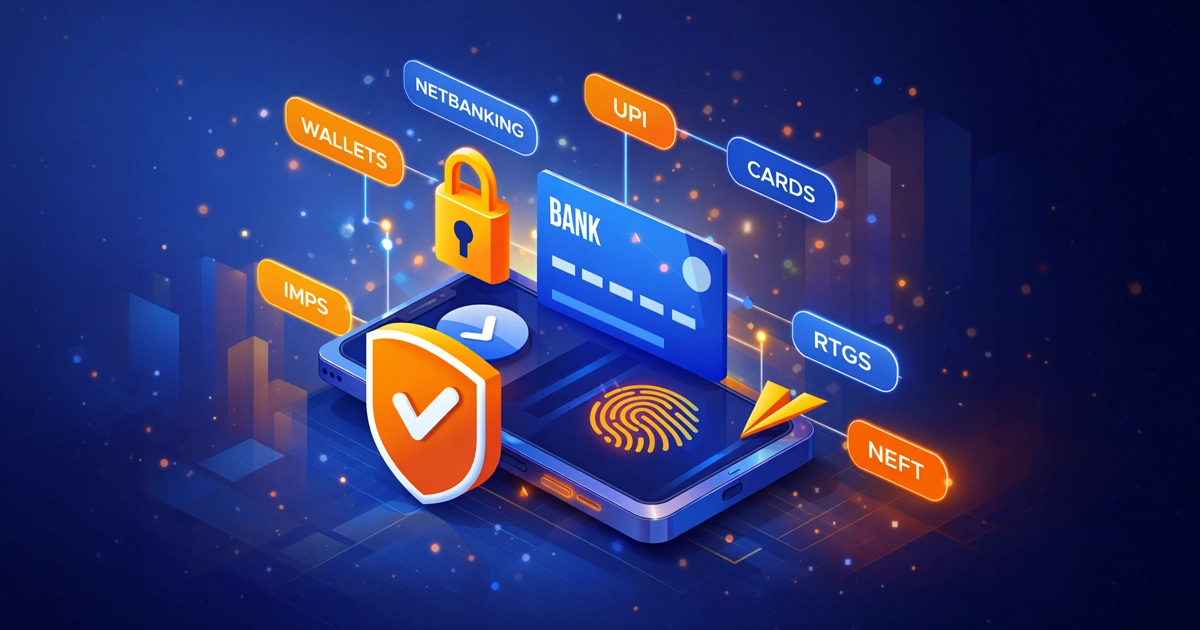
- Multiple payment alternatives for consumer convenience: Which payment methods are accepted by the payment gateway? Credit and debit card payments, prepaid card payments, bank transfers, e-wallets, cash, and mobile payments are among the available payment options.
- Exempt enterprises are not covered: Some payment processors and gateways only support socially responsible businesses. Ensure that all components of your e-commerce business are compatible with the payment gateway.
Key Features to Look for in the Best Payment Gateway Website
The most preferred payment gateway site integrates transparency, flexibility and support. When the question is Which Is The Best Payment Gateway In India?, you need to pay attention to the features that suit your business. Key considerations include:
- Clear Pricing: A major gateway has all fees included (transaction, monthly and set-up) clearly posted on their site. Unclear contracts or the presence of hidden charges can damage profits. SabPaisa is among the most promising payment gateway sites offering transparent prices and integration guidelines at the start.
- Payment Modes: It must have wide coverage and connect to a variety of card networks, UPI, netbanking, wallets, and potentially international currencies to expand. Checkout abandonment is minimized by having more choices.
- Integration Ease: Find pre-built SDKs, plugs, or APIs for your ecommerce stack. The platforms, such as WooCommerce and Magento, should be documented or have their plugins on the site. Prebuilt code (ease of integration) reduces time to develop.
- Security & Compliance: Check RBI compliance and PCI-DSS Level 1. Trusted payment gateway service providers guarantee that data flow will be encrypted and guarantee the safety of customer information. Gatesway, as an example, applies 3D Secure and tokenisation to prevent fraud.
- Support & Reliability: A best-in-class site has 24/7 support, sandbox testing and uptime SLAs. Search developer support forums or account managers. The rates of success and speed of settlement ought to be high.
- Mobile Responsiveness: As a high number of shoppers introduce their phones and apps, the gateway will need its checkout page to be mobile-optimized. An interface that is mobile-first ensures that there is a smooth experience.
In considering these features, merchants are able to narrow down alternatives. Practically, businesses tend to pre-screen a small number of RBI-approved providers (banks or fintech) and compare them based on these criteria. The outcome will be the most optimal gateway to your business objectives, technology stack, and clientele.
Role of Payment Aggregators in Ecommerce Payments
Payment aggregators are one-stop ecommerce site middleware. A Payment Aggregator is a licensed service that allows merchants to receive multiple payment instruments with the help of a single integration.
In India, the aggregator must keep merchant funds in escrow and implement high security (encryption, tokenisation, MFA) as required by RBI regulations. With the help of Payment Aggregators in India, companies do not need to enter into a contract with each bank individually.
SabPaisa aggregators enable merchants to avoid the hassle of negotiating bank agreements individually but makes electronic collection rather quicker.
Major functions of aggregators in ecommerce:
- Streamlined Onboarding: Merchants sign one contract to accept cards, UPI, wallets, etc. No necessity of several bank accounts or MIDs. This speeds up launch time.
- Unified Dashboard: Aggregators further offer integrated reports (transactions, settlements, refunds) from all channels. No longer checking individual bank statements.
- Payout Services: Instant payout APIs to pay vendors and refund money have become a feature in many aggregators, providing an even easier way to stream cash flow.
- Improved Services: Aggregators usually offer anti-fraud services, recurring billing (eNACH), and customer support in a single location.
Top Payment Aggregators in India are the market leaders and they provide end-to-end solutions to be used in the ecommerce environment. They guarantee compliance with the regulations and enjoy scale (volume discounts), which is an advantage to merchants.
Concisely, an aggregator implies that a business in ecommerce can have a single partner to handle all its payment requirements, enabling the business to concentrate on growth and not on payment processing.
Integration Options for Ecommerce Platforms
Ecommerce platforms require integration. Popular ecommerce payment gateways include Plugins or APIs with popular CMS:
- WooCommerce payment gateway: Plugins that transform a WooCommerce store into a payment gateway. There are extensions provided by providers such as SabPaisa, which enable WooCommerce stores to seamlessly accept UPI, cards, wallets, and so on.
- WordPress payment gateway: WordPress checkout form additions. These enable businesses or bloggers to generate payments conveniently. Since India experienced approximately 16.99B UPI transactions in Jan 2025, gateways frequently have UPI WordPress support to attract mobile-based clientele. A WP gateway plugin must have a few configurations and be able to support the use of SSL.
- Wix payment gateway: Integrations or code snippets to Wix websites. Wix now allows multiple modes (cards, UPI, wallets, EMI) to be accepted by a payment gateway to Wix stores, which requires no custom coding. These make onboarding fast in Wix.
- Custom API/ Hosted Checkout: The API of the gateway or the hosted page will be integrated in custom platforms. Most gateways have REST APIs that can be used to have complete control. The hosted checkout (redirect pages) are simpler yet less branded.
Online Payment Gateways in India are numerous and almost all of them can be used to implement these integration methods. Gateways are available in official plugin stores (WooCommerce marketplace, WordPress plugin directory, Wix App Market). Finally, choose a gateway with established integrations in your tech stack to reduce friction.
Key Takeaways
In summary, while selecting a payment gateway for an e-commerce website, you need to ensure that:
- To provide clients with the greatest ease, the e-commerce website’s payment gateway accepts all major credit cards and various payment methods.
- Ensure that your e-commerce website’s payment gateway encryption provides the highest level of protection against data breaches, consumer mobile payment difficulties, and malware.
- Stacked payment gateways make things easy for your clients by providing various options.
- Rationalised charge structures to grasp the ultimate impact on your bottom line, owing to payment gateways’ per-transaction fee structure for e-commerce platforms.
- The payment gateway for an e-commerce website supports multiple payment methods and provides real-time analytics for merchants.
Choose from the payment gateway that matches your business goals, technology stack, and customer preferences.
Why Choose SabPaisa Payment Gateway For an E-commerce Website?
SabPaisa, an RBI-compliant payment aggregator for e-commerce websites in India, offers customisable features and cost-effective pricing. With state-of-the-art payment gateway solutions tailored to the diverse needs of e-commerce businesses, SabPaisa ensures a seamless and convenient payment experience. Here’s why it’s a top choice:
- Unified Platform: Offers comprehensive integration of all payments, as well as online and offline channels.
- Global Capabilities: Enables doing business in multiple markets using various currencies.
- Safe and Secure: With protection through PCI DSS and encryption throughout the transaction, SabPaisa ensures the highest level of security for your transactions, giving you peace of mind.
- Custom Solutions: Variations depending on the type of online shops.
- Cost-Effective Solutions: Lack of concealed fees in non-value-added structures.
SabPaisa is India’s leading e-commerce payment gateway, fostering growth, innovation, and customer satisfaction.
Final Words
In the current business environment, an e-commerce entity must have a reliable payment gateway as a matter of necessity. SabPaisa is a payment aggregator in India that has obtained approval from the RBI, a regulatory body, to offer various services, including end-to-end payment gateway solutions to e-commerce companies. This approval signifies that SabPaisa meets the stringent standards set by the RBI, ensuring the security and reliability of its services. SabPaisa focuses on providing solutions that enhance businesses’ security and enable seamless integration into the digital economy. Whether you’re starting fresh or scaling up, opting for the best payment gateway for an e-commerce website in India gives your store a competitive edge.
Take your online store to the next level with SabPaisa, India’s best payment gateway for e-commerce websites. Contact us today to learn more and get started. Secure your transactions, delight your customers, and grow your business easily!
SabPaisa combines innovation with stability to deliver a premium payment solution for e-commerce companies. Make the wise choice today!
FAQs
1. What is an e-commerce payment gateway?
It’s a secure platform that processes online payments, protects customer data, and supports various payment methods like UPI and credit cards.
2. Why do online stores need a payment gateway?
A payment gateway ensures fast and secure transactions, building customer trust and boosting sales and satisfaction.
3. Which payment methods do e-commerce payment gateways support?
Most gateways support credit/debit cards, UPI, wallets, net banking, and multi-currency payments.
4. How do payment gateways ensure transaction security?
They use encryption, PCI DSS compliance, and fraud detection tools to protect sensitive information.
5. Can a payment gateway improve customer trust?
Yes, secure and seamless transactions make customers feel confident shopping on your website.
6. Why choose SabPaisa for e-commerce payments?
SabPaisa offers secure, fast, and customisable payment solutions with no hidden costs.