
SUMMARY: Offline Payment Solutions are digital transactions processed without internet connectivity or recorded offline for later processing. They are an essential tool for areas with patchy service or no network reception, increasing the reach of digital payments and eliminating transaction time-outs. The solutions work by safely storing card and transaction data for processing once online. This offers banks a broader reach and provides merchants with uninterrupted sales. India uses methods such as closed-loop cards and IVR systems.
As payments have increasingly gone digital, the dependency on internet connectivity for making payments has also risen. But for much of the world, internet access is still patchy and, in markets where it is good, service often drops; temporary network load can be one problem (in both directions), as well as some milliseconds interruptions at banking servers.
So what do you do when the internet goes down, but business must go on? That’s where Offline Payment Solutions come into play. They allow smooth payment initiation even when connectivity issues occur—ensuring transactions can still be completed or reconciled later through trusted offline banking channels like cash counters, NEFT, or RTGS.
In this blog, we’ll explore what offline payment solutions are, how they work, their benefits, and how platforms like SabPaisa, the world’s first unified online and offline payment gateway, are shaping India’s hybrid payment future.
What Are Offline Payment Solutions?
Offline Payment Solutions, as provided by SabPaisa, refer to digital transactions that are initiated online but completed or settled later through offline banking modes. These solutions ensure that even if users face connectivity issues, payments can still be made seamlessly through physical bank branches or traditional banking instruments like NEFT, RTGS, and cash deposits.
This hybrid model bridges the gap between online initiation and offline completion, making digital payments more inclusive and resilient in regions with unreliable internet connectivity. It extends the reach of digital payment systems while maintaining the reliability of conventional banking channels.
Offline payment solutions stimulate retail payments and enable small physical merchants like Kirana stores. For a fully integrated value chain, the digital payments framework needs to include multiple avenues to achieve wider access—and hybrid online-offline solutions are key to that expansion.
How Do Offline Payment Solutions Work?

Offline payment is a convenient way to transact business in case network connectivity is momentarily lost. When an offline payment is initiated, the terminal makes a number of tests to establish whether the payment can be made offline.
- It verifies whether offline payment types are on or off. Otherwise, the payment is declined.
- The terminal checks whether the issuer has set the card to accept offline payments.
- It also verifies whether it has reached its maximum scope of store-and-forward offline payments.
- The transaction amount should not exceed the maximum amount of offline payment.
- The type of payment scheme employed contributes to the support of offline payments as well.
With all these checks passed, the following steps are carried out:
- The terminal safely stores the card data and the transaction information to be processed later.
- When using standalone terminals, you and the merchant will both be provided with a receipt to show payment.
- With local integrations, a response containing data to generate a receipt is produced and delivered to your mobile number or email address.
The steps will enable you to make payments easily, even when the Internet is not available, using out-of-band methods such as offline EMV payments or store-and-forward payments.
Offline Payment Solutions in India
India’s fintech landscape supports multiple offline payment methods approved by the RBI and NPCI. Let’s explore the most prominent ones:
- Closed-loop cards: Preloaded payment cards issued by a single issuer/operator. It can use NFC or RFID technology to communicate with the system. For example, the Delhi Metro’s smart cards are closed-loop cards.
- Open loop with stored value cards: This contactless card-based solution stores a set amount on the card. EMV chips set limits and process offline payments. When merchants accept offline card payments, transactions can occur nearby via NFC without an internet connection or real-time authorisation. For example, the NCMC, to be launched for the Chennai Metro, can also serve other purposes.
- Account-based cards: An account-based card uses a system where proof of entitlement and travel records are stored in a back office, not on the physical card. The fare and bill are calculated after the journey or usage is completed.
- Offline digital cash product: This solution helps in digitising payments in rural areas for the SHG ecosystem. A leading technology provider is testing this technology by offering a smart card to the user and a device to the merchant. The device is used to accept the payment and store e-cash offline.
- Hybrid online–offline frameworks (SabPaisa’s model): SabPaisa’s approach fits within the RBI-approved offline framework—transactions are initiated digitally but completed or reconciled through offline banking channels, such as cash counters, NEFT, or RTGS. This hybrid model ensures continuity of business operations even when internet connectivity is unstable, aligning with India’s push for inclusive digital financial infrastructure.
Formal Process: SabPaisa’s Integrated Offline Payment Solution
This process describes how the SabPaisa software platform integrates with various banks to facilitate and instantly track payments made by consumers at bank branches or cash counters, even when the payment originates offline (e.g., cash, NEFT, RTGS).
| Step | Description |
| 1. Software Integration and Consumer Linkage | The core SabPaisa software is implemented to serve as the unified payment platform. This software is integrated to link consumers’ transactions directly. |
| 2. Universal Bank Integration | The proprietary software solution enables integration across different banking institutions. This entails onboarding a number of banks to a unified software system that interfaces with each of their branches to accept payments. |
| 3. Online Transaction Initiation and Unique Identifier Generation | Online payment requests trigger the system to create a Unique Payment Number (also referred to as a Virtual Account Number) that is assigned for that specific transaction. |
| 4. Offline Payment Submission | The unique payment number is presented by the consumer to any of the partnered bank branches or counters and is used to complete the payment. |
| 5. Instant Unique ID Reporting to IT | The bank counter (upon receiving the payment) sends this unique identifier instantly to the SabPaisa IT system. This immediate reporting is the process’s crucial speciality. |
| 6. Instant Reconciliation and Transaction Completion | Upon receiving the unique ID, the SabPaisa platform instantly reconciles the offline cash deposit or bank transfer with the online-initiated transaction, marking it as complete in real-time. |
| 7. Critical Area Service | This unique process is particularly vital for payments in two specific areas, addressing problems (especially concerning cash payments) that the solution initially solved for partners like Allahabad Bank and later for banks such as Canara Bank, Indian Bank, and Bank of India. |
How Banks and Merchants Benefit

For Banks:
- Broader Reach: Offline payments extend banking services to unconnected populations.
- Reduced Transaction Failures: Prevents downtime-related customer complaints.
- Compliance & Security: RBI-authorised frameworks ensure trust and regulatory adherence.
For Merchants:
- Broad customer reach: Merchants can appeal to a wider customer base by offering additional offline payment modes for greater ease. They can now attract customers who may want to pay through their phones but lack an internet connection.
- Undisrupted sales: Merchants may sometimes have to cancel a sale due to server issues or maintenance. These issues can now be eliminated.
- Secure payments: The offline payment system offers a safe and trusted payment method to help merchants and businesses carry out their daily sales without any hassles.
- Empowering merchants: With a special focus on benefiting rural and smaller towns, merchants can set up businesses and experience contactless payments even in the remotest corners of the country. This is likely to help people be financially secure and contribute to making India a truly digital economy.
Offline payment solutions offer the security that all merchants and other financial institutions require.
SabPaisa: India’s Hybrid Payment Pioneer
SabPaisa stands out in the crowded payment gateway market with its unique hybrid payment model, combining digital payments with access to over 1.4 million cash counters across India. Combining both offline and online payment channels in this way enables businesses to serve a larger customer base, ensuring that no one remains unserved, whether users prefer digital transactions or cash.
In addition to this key differentiator, SabPaisa offers a range of features that further set it apart from competitors:
- Compliance and Security: SabPaisa is RBI-authorised & PCI DSS/ISO certified, allowing maximum security along with regulatory compliance.
- Real Time Payment Settlement: Payments are settled immediately into the business account, so businesses have access to funds as soon as they need (helping boost cash flow and operational efficiencies).
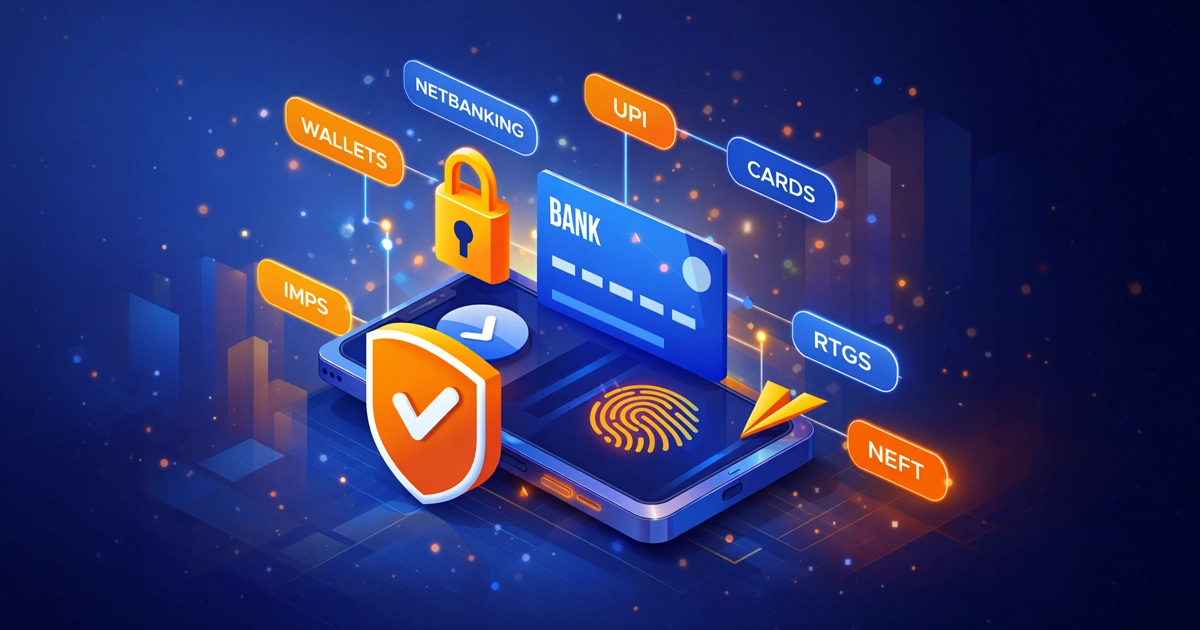
- Multi-mode Acceptance: UPI off-line payment, Cards, Wallets, NEFT, RTGS, IMPS and more.
- Automated Billing: eNACH provides a platform to collect periodic (eCS, eMandate) subscription and instalment payments more easily.
- Single Dashboard: Manage all transactions seamlessly through a centralised platform with real-time analytics and reporting.
- 24/7 Support: With round-the-clock customer service, SabPaisa ensures that any issues are addressed promptly, providing businesses with peace of mind.
SabPaisa’s combination of a hybrid payment system, compliance, and a suite of powerful features makes it the go-to choice for businesses seeking a versatile, reliable, and secure payment solution.
Conclusion: The Future is Hybrid
Offline Payment Solutions represent a critical milestone in achieving real financial inclusion within the fast-changing fintech ecosystem of India. Offline payment gateways like SabPaisa enable merchants and banks to reach every corner of Bharat, with or without internet access, by integrating technology, accessibility, and security.
The hybrid infrastructure of SabPaisa makes each transaction, both online and offline, seamless, dependable, and future-proof.
Are you a merchant, cooperative or bank seeking to enhance your payment systems?
Partner with SabPaisa now – and feel the strength of the first hybrid payment gateway in India that combines offline payment systems with real-time online payments.
Frequently Asked Questions (FAQs)
1. What are Offline Digital Payments?
Offline digital payment is an electronic transaction that does not require an active internet connection between buyer and seller when making a cashless payment at a POS. These are generally made via near-field communication (NFC) or a QR code.
2. How do Offline Digital Payments work?
Offline digital payments operate on technology such as NFC or QR codes. With NFC, the customer’s mobile or contactless card talks to the merchant payment terminal via wireless communication to exchange payment data. For QR codes, the customer scans a QR code displayed by the merchant using their mobile device’s camera or a dedicated QR code scanner app, which initiates the payment process.
3. Can I cancel or refund pending offline payments?
No. Offline payments cannot be cancelled or refunded while they are still processing. You can issue a refund once your internet connection has been restored.
4. Are offline payments secure?
Offline payments can be secure if appropriate security measures are implemented. Encryption techniques and secure storage mechanisms are used to protect sensitive payment data during the offline period. Both consumers and merchants need to use trusted and reliable payment service providers that prioritise security.