
In India’s journey towards E-payments, both merchants and customers are becoming increasingly comfortable with adopting new digital technologies.
As customers become increasingly comfortable with online shopping, having an eCommerce site and online payment acceptance is now a must-have for any business. Customers are happy to browse and shop at any time from anywhere, with just a few clicks. Along with the rise of online shopping and eCommerce, E-payments are gaining widespread popularity.
E-payment systems reduce costs for both businesses and customers. Businesses save on production and manufacturing costs primarily by lowering technical charges. The e-payment system is regarded as the foundation of e-commerce and one of its most significant components.
What is an ePayment System?
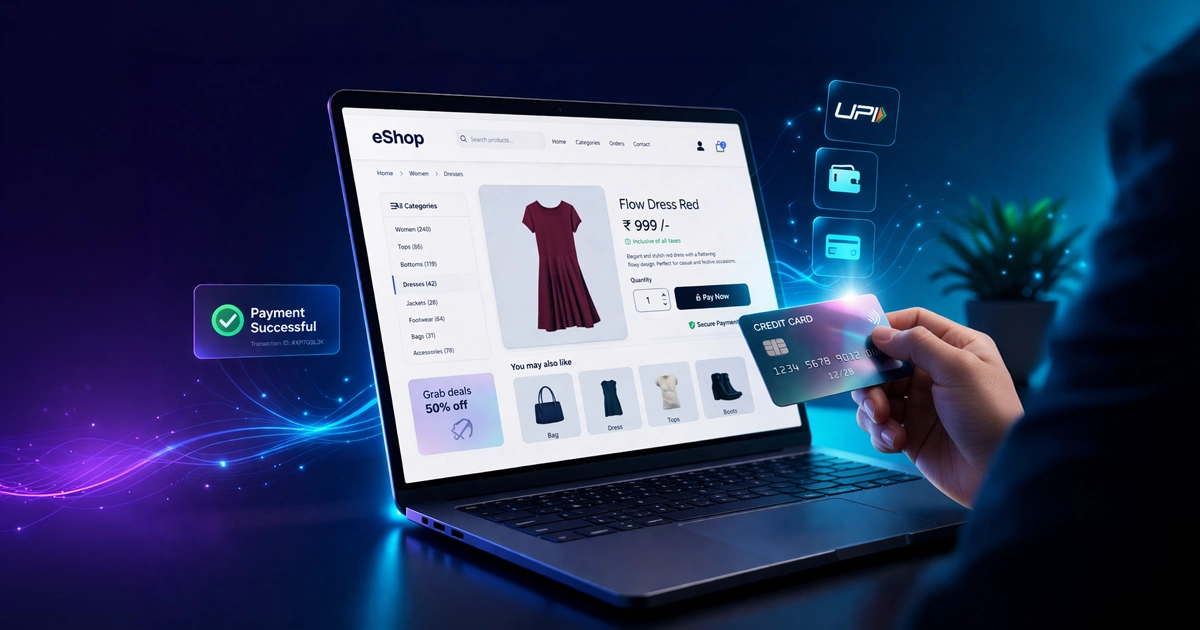
Electronic payments allow customers to pay for products or services electronically. Electronic payments enable you to purchase clothes from your favourite online store or pay your bills online. If you’re planning to create an online store, you’ll need to have an electronic payment system and understand precisely how it works.
How do electronic payments work?
Electronic payment systems are advanced platforms that facilitate the transfer of money between different parties, typically originating from one bank account and terminating in another bank account. Here is a step-by-step guide to how electronic payments usually work:
- Entering Payment Information: When you make a purchase or send money, you enter your payment details. This may include your credit card numbers, bank account information, or digital wallet login information.
- Payment Gateway: The payment information is relayed to a payment gateway, which acts as an intermediary between you, the seller, and the bank. The gateway determines how to approve or reject payment.
- Validation and Security: Before processing your payment, the system validates and ensures the security of your information. It has strong security measures that protect your information during this process, and therefore, electronic payments are very secure.
- Transaction Processing: After receiving your payment, the funds are transferred from your account to the seller’s or recipient’s account. This is done in a comparatively short time, and the transaction is made.
Electronic payments can be categorised into two broad categories: one-time payments, such as purchasing an item online, and recurring payments, including monthly bills. They make it easier since each type facilitates transactions between customers and businesses, as well as between individuals.
Benefits of ePayment Systems to Businesses
E-payment systems have gained importance among online shoppers who want the purchasing and banking process to be more convenient, due to the increased popularity of online shopping. It comes with many benefits, such as:
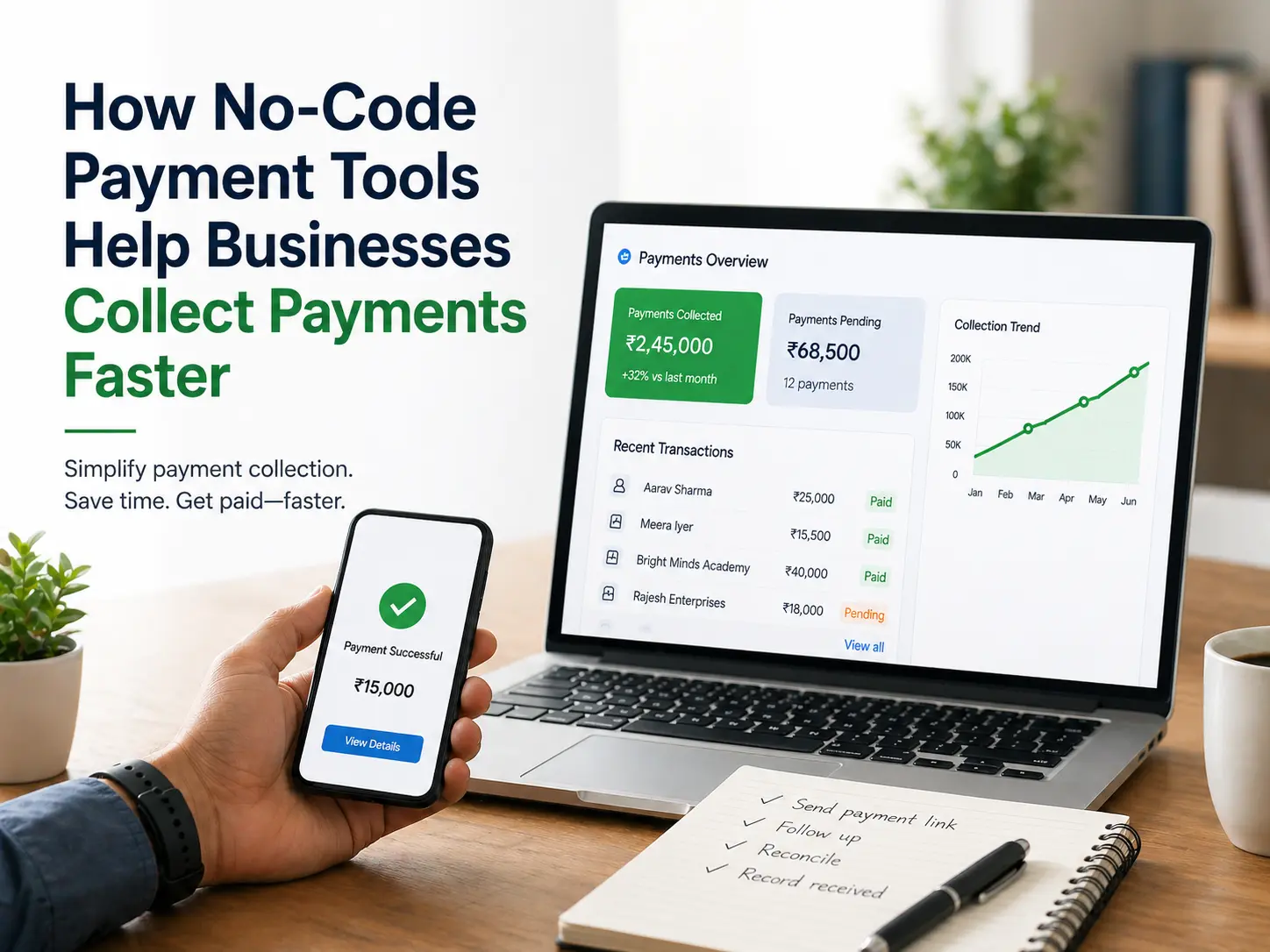
- Convenience and Speed: Traditional payment methods, such as cheques, can be problematic for cash flow, as they can take several days to clear. E-payment methods offer faster payment options for customers at home and abroad. You can improve your cash flow and gain a clearer picture of your business finances through more accurate reporting.
- Wider Customer Reach: E-commerce can expand its customer base by offering multiple e-payment systems (UPI, wallets, net banking, credit/debit cards), thereby reaching customers who prefer to make cash purchases. This is particularly true in India, where the adoption of UPI is experiencing rapid growth.
- Enhanced Security: E-payment systems utilise more advanced encryption solutions to ensure the safety and security of transactions. You can be sure that your customers will conduct business with you. Having strong fraud-prevention tools would mean that the chances of contested payments would be significantly reduced, and that would not have as much of an impact on your profit margins.
- Reduced Operational Costs: Digital Payments reduce operational costs associated with handling cash, including printing, electronic storage, transportation, and reconciliation. Automation reduces the need for a workforce as well as accounting errors.
- Support for Government Initiatives: India is driving towards a digital, cashless economy, and it has reinforced the e-payment infrastructure. In such initiatives, e-commerce companies using digital payments are on the right side and enjoy greater customer confidence and government subsidies.
- Better Business Insights: E-payment systems also offer online records that help e-commerce organisations track customer trends, process purchases and refunds, and perform targeted advertising. This type of data may be utilised to make better decisions.
Types of e-payment systems
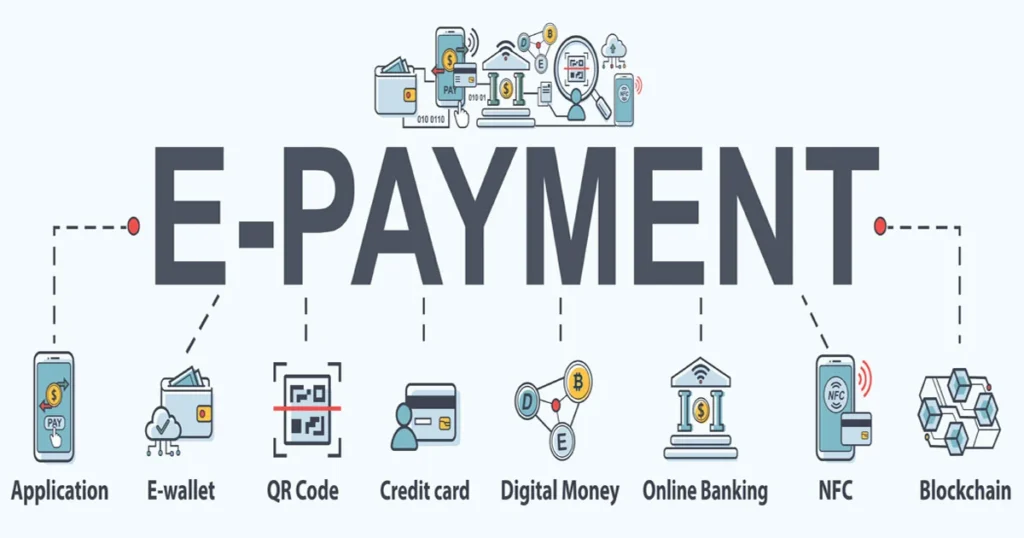
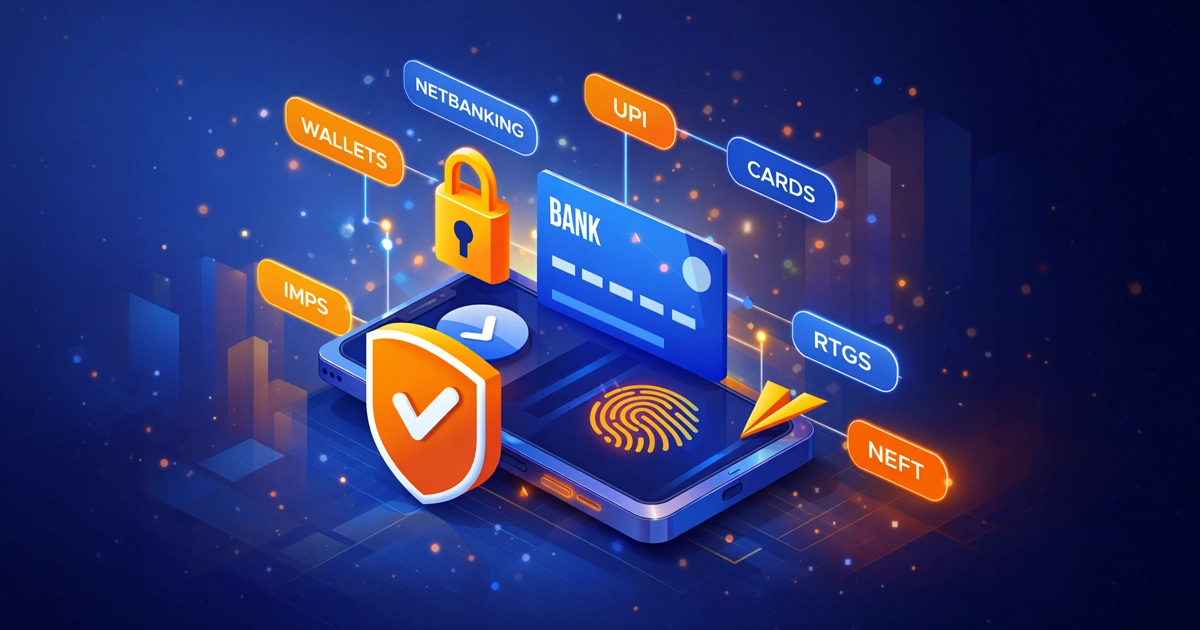
India’s digital payment landscape offers several e-payment methods catering to different user preferences. The most popular include:
- Unified Payments Interface (UPI): The Unified Payments Interface (UPI) is a system that powers multiple bank accounts into a single mobile application, merging several banking features, seamless fund routing & merchant payments into one. It also caters to the “Peer to Peer” (P2P) collection request, which can be scheduled and paid according to requirements and convenience.
- Mobile Wallets: Several mobile wallets are available, each with its own application, provided by different banks. The customer can carry digital cash through a mobile wallet. Using a wallet, customers can link their credit or debit card to their mobile device for transactions. Instead of using your physical plastic card to make purchases, you can pay with your Smartphone, tablet, or smartwatch. An individual’s account must be linked to the digital wallet to load money into it.
- Debit and Credit Cards: Credit and debit cards are the most widely used type of electronic payment worldwide, although their popularity is decreasing among younger generations. Card payments remain attractive, partially due to the rewards and rebates that they offer. Cards are commonly used for point-of-sale (POS) transactions, online purchases, and cash withdrawals from ATMs.
- Immediate Payment Service (IMPS): IMPS provides an instant, 24/7 interbank electronic fund transfer service via mobile phones. IMPS is an efficient tool for instant money transfer within banks across India, available via mobile, internet, and ATM, offering both safety and convenience in financial and non-financial aspects.
- National Electronic Funds Transfer (NEFT): National Electronic Funds Transfer is a nationwide payment system that enables funds transfer from any bank to any bank, at any branch. Using the system, individual firms and corporations can electronically transfer funds from any bank branch to any individual, firm, or corporation with an account at any other bank branch in the country. Not only account holders, but also people without an account, can send money to others’ accounts by depositing money from anywhere. However, this service has a cash transaction limit of Rs. 50000/-, allowing individuals to deposit up to this amount. This facility is available only on working days.
- Real-Time Gross Settlement (RTGS): RTGS is the settlement of funds transfers individually on an order-by-order basis. ‘Real Time’ means the processing of instructions at the time they are received rather than at some later time. Considering that the funds settlement takes place in the books of the Reserve Bank of India, the payments are final and irrevocable. A large amount of RTGS is transferred. Customers can send a minimum of 2 lakh and have no maximum limit. RTGS can be used during banking hours.
SabPaisa – Empowering Businesses with ePayment Solutions
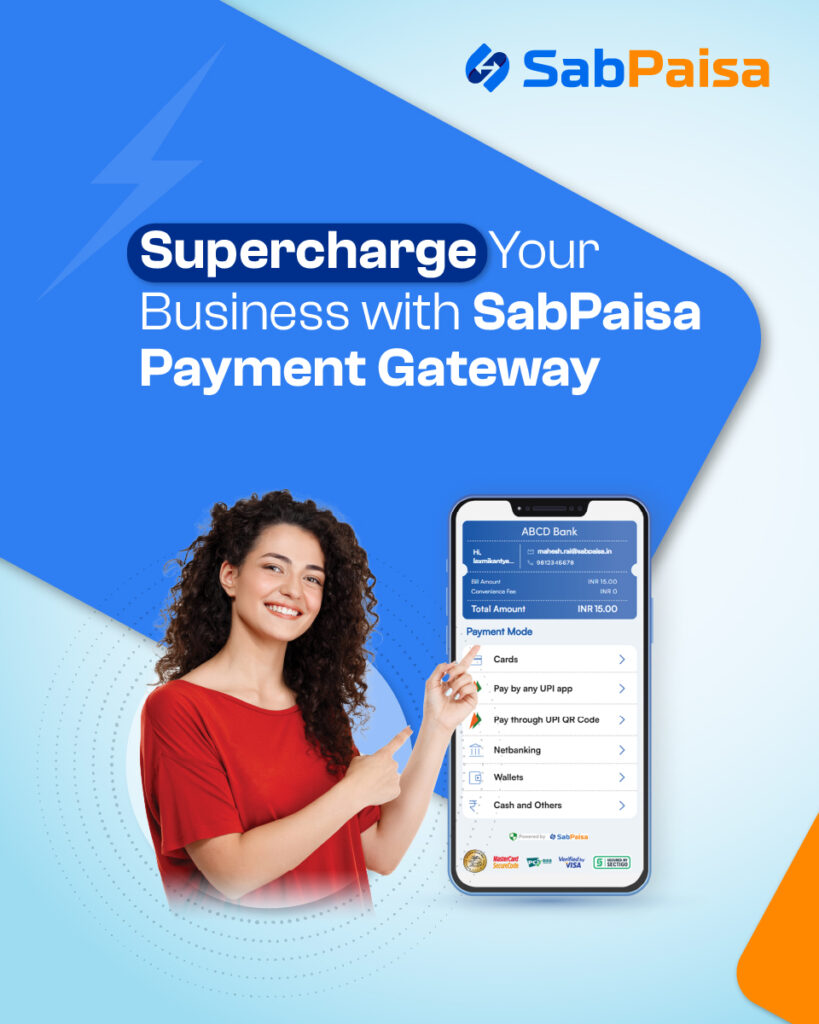
One of India’s leading e-payment providers is SabPaisa, an RBI-authorised payment aggregator known for its comprehensive platform. SabPaisa stands out by offering a one-stop solution for both online and offline payments:
- All Payment Modes on One Platform: The payment methods of SabPaisa are very diverse, with both online and offline payment options (cards, net banking, UPI and wallets) as well as (e-cash and Bharat QR) integrated into a single convenient dashboard. Cash transactions, as well as using the counters of partner banks, are digitalised, and the business can view all transactions (online or offline).
- RBI Approved and Secure: As an RBI-authorised aggregator, SabPaisa adheres to all regulations. It is PCI-DSS compliant and utilises bank-grade encryption and advanced fraud detection.
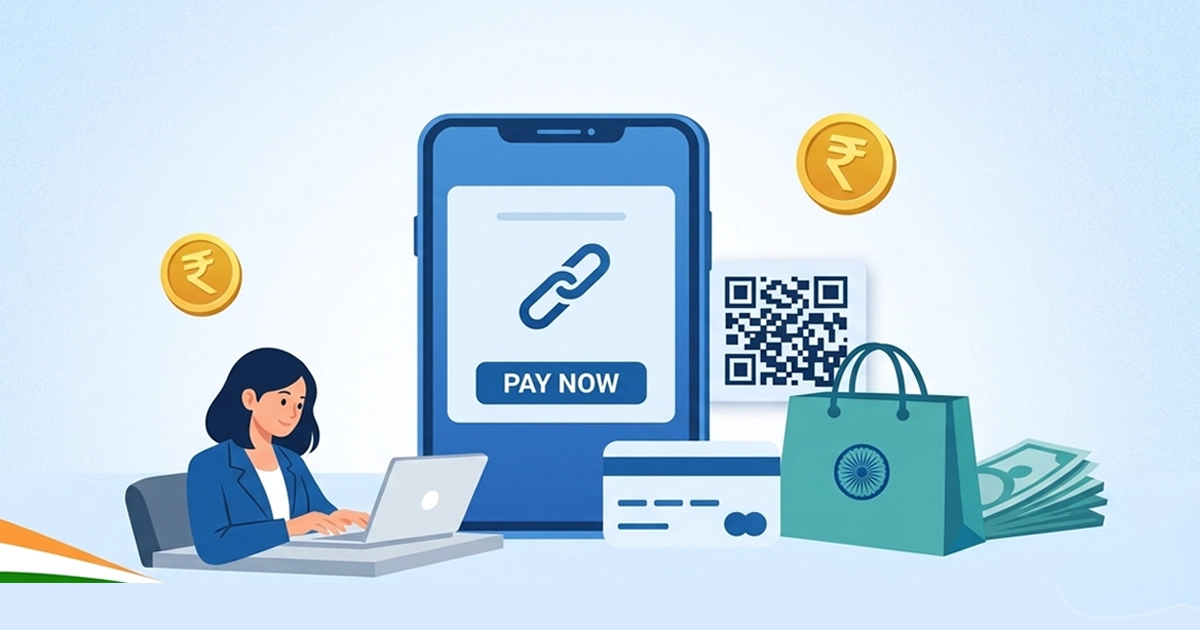
- Advanced Features for Businesses: SabPaisa is more than just a payment collection service. It facilitates recurring payments and e-NACH mandates (perfect for subscriptions), supports virtual account numbers to simplify B2B collection and reconciliation, and features such as payment links. Customisable forms allow a site to receive payments without a full website.
Conclusion
E-payment systems are the lifeblood of internet businesses. Even the most visually appealing website will fail if it lacks an effective payment method. Choosing the right payment system can help SMEs and business owners grow their businesses more quickly, especially in fast-growing markets like India. It enables you to reach a wider audience.
In today’s modern world, business experience is significant. A smooth, safe, and quick checkout is just as crucial as having a great product or a visually appealing website. As one industry insight suggests, the payment system that provides the best user experience will lead the way in the future. This means that your business should continue to improve its payment processing. You can achieve this by adding popular payment options, simplifying the process, or enhancing security to meet your customers’ expectations.
This will provide a purchasing experience in which consumers feel confident and secure. With the right system, you can focus on growing your business. Your customers, in turn, enjoy smooth and easy digital payments.
By leveraging SabPaisa’s unified platform, businesses can streamline their collections while offering customers broad flexibility in how they pay. SabPaisa exemplifies how a robust payment partner can simplify digital transactions for any organisation.
FAQs
1. What is E-Payment?
E-payment is the “exchange of monetary value online via the Internet, private networks or a combination of them”. A typical e-payment transaction occurs when merchants collect revenue from customers who pay for goods or services online using electronic payment methods, such as SabPaisa.
2. What are common electronic payment methods?
The most commonly used electronic payment methods are ACH, debit and credit cards, bank transfers, digital wallets, and mobile pay.
3. What is considered an electronic or online payment?
Payments done digitally are termed electronic. This includes ACH transfers, virtual cards, and credit cards.
4. What are the benefits of electronic payments for businesses?
Businesses that switch to electronic payments benefit from enhanced payment security, increased simplicity, stronger supplier relationships, lower processing costs, improved visibility, and other advantages.