
As the global trend increasingly favours online shopping over traditional brick-and-mortar stores, Payment Gateways have become an integral part of our lives. Whether you are purchasing your favourite pair of shoes from an online shopping site, booking flight tickets for your next trip, or subscribing to a monthly OTT service, the process of transferring money electronically is facilitated by a vital component known as the Payment Gateway.
Payment gateways are the front-end checkout interface, or that ‘customer-facing checkout’ where customers enter their payment information. They also do a handful of other crucial things for businesses to take payments quickly and securely – such as data encryption, payment authorisation, tokenisation, fraud prevention and data reporting.
This blog will explain how the payment gateway process works, the vital role of a payment processor, and the steps involved in setting up a payment gateway.
What is a Payment Gateway?
A payment gateway is the technology responsible for authenticating and securely transmitting payment data between different parties involved in the payment process.
A payment gateway will usually also incorporate various security measures like encryption, tokenisation, and fraud management solutions. Further to this, gateways must follow a strict set of procedures as per the PCI DSS compliance standard. This includes annual audits and recertifications to ensure the standard’s validity.
How does a Payment Gateway work
Before entering the payment gateway integration process, it’s essential to understand how the payment gateway working process is. Payment gateways exist in two primary forms: offline (point-of-sale, or POS) gateways and online payment gateways.
1. POS (Offline) Payment Gateways
A physical payment gateway is typically the Point of Sale (POS) system you see at retail stores. These systems are connected to card readers or terminals that enable customers to make payments using debit/credit cards or digital wallets, in person. The POS gateway securely transmits payment data from the terminal to the bank or payment processor, authorising the transaction on the spot.
2. Online Payment Gateways
On the other hand, an online payment gateway is designed to handle transactions made through websites, e-commerce platforms, and mobile applications. When a customer enters their payment details during checkout, the gateway encrypts the information and forwards it securely to the bank or payment processor for approval. This ensures seamless and secure transactions for online businesses.
A payment gateway follows these steps:
Step 1: Customer initiates a payment
The customer enters their payment details (card number, CVV, expiry date, etc.) at checkout—either through a website, mobile app, or POS terminal.
Step 2: The Business sends details to the payment gateway
The merchant’s system securely transmits the encrypted payment details to the payment gateway for processing.
Step 3: Gateway forwards to the payment processor
The payment gateway passes the information to the payment processor, which acts as the intermediary between the business and the card networks.
Step 4: The processor connects with the card network (E.g., Visa, Mastercard).
The processor routes the transaction to the relevant card scheme, which then forwards it to the customer’s issuing bank.
Step 5: Issuing bank performs checks
The customer’s bank verifies details such as account balance, card validity, and fraud checks, as well as daily transaction limits, to decide whether to approve or decline the transaction.
Step 6: Response flows back through the chain
The approval or decline decision travels back from the issuer, through the card network, processor, and gateway—ultimately reaching the business and the customer in real-time.
Step 7: Funds are transferred if approved
If approved, the money is transferred from the customer’s issuing bank to the acquiring bank (the merchant’s account) and then into the business’s bank account, typically within 1–2 business days.
A payment gateway plays a pivotal role in facilitating secure and seamless online transactions. Other benefits of using a payment gateway include enhanced customer trust, hassle-free international transactions, and a 24/7 payment facility.
The Role of the Payment Processor
Although the payment gateway provides a safe route for the transaction data, the payment processor can be considered the engine itself that moves the money backstage. It communicates with card networks, acquiring banks and issuing banks to certify and execute the payment. The payment gateway cannot ensure transactions without directing operations through effective payment processors. The processor, in a nutshell, performs the operations, while the payment gateway handles the technical, security, and customer-oriented elements.
The Payment Gateway Integration Process

Follow these steps for a secure payment gateway integration process:
- Select a Payment Gateway: In the initial step, look for a payment gateway solutions provider that meets your business needs. To select the most suitable provider, consider a few key factors when evaluating your e-commerce payment integration provider. These are transaction fees, payment options, security measures, and compatibility with your e-commerce platform.
- Sign Up for an Account: First, create a merchant account with your chosen payment gateway. SabPaisa, simplify things by offering the merchant account and payment gateway together in a single setup.
- Get the API Keys: After your account is set up, you’ll get your API keys. These keys securely link your website to the payment gateway, allowing safe communication between your business and the gateway’s server.
- Integrate Payment Gateway for Websites: Making a smooth payment integration with your website depends on your specific requirements. Some platforms, like Shopify or WooCommerce, have custom plugins that make your integration easy. For others, you might need to manually add code. SabPaisa provides a simplified payment solution for e-commerce businesses along with the simplest API to enable smoother and faster integration for developers.
- Test the Payment Gateway: Ensure you test the gateway you selected in a sandbox and perform a test payment to ensure everything is working fine before going live.
- Go Live: When you have fully tested your integration, it’s time to go live and accept real payments from your customers.
Why Choose SabPaisa for Your Payment Gateway Needs?
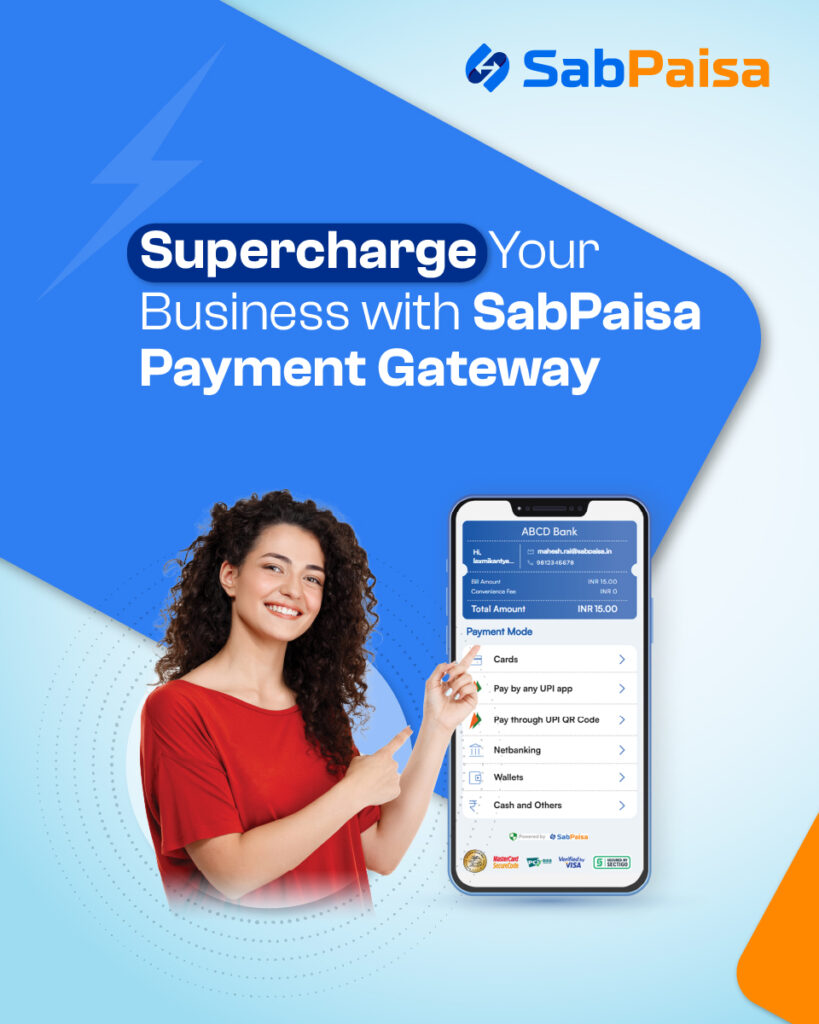
SabPaisa delivers India’s most advanced solution for payment gateways. We are exclusively focused on servicing Indian customers and companies targeting the Indian market. As a payment aggregator authorised by the RBI, we are India’s first Unified Payments Platform, thus enabling seamless transactions. Our omnichannel payment gateway service allows you to safely accept UPI, debit/credit cards, net banking, and wallets on your website or application.
This is why SabPaisa is the perfect solution for your business:
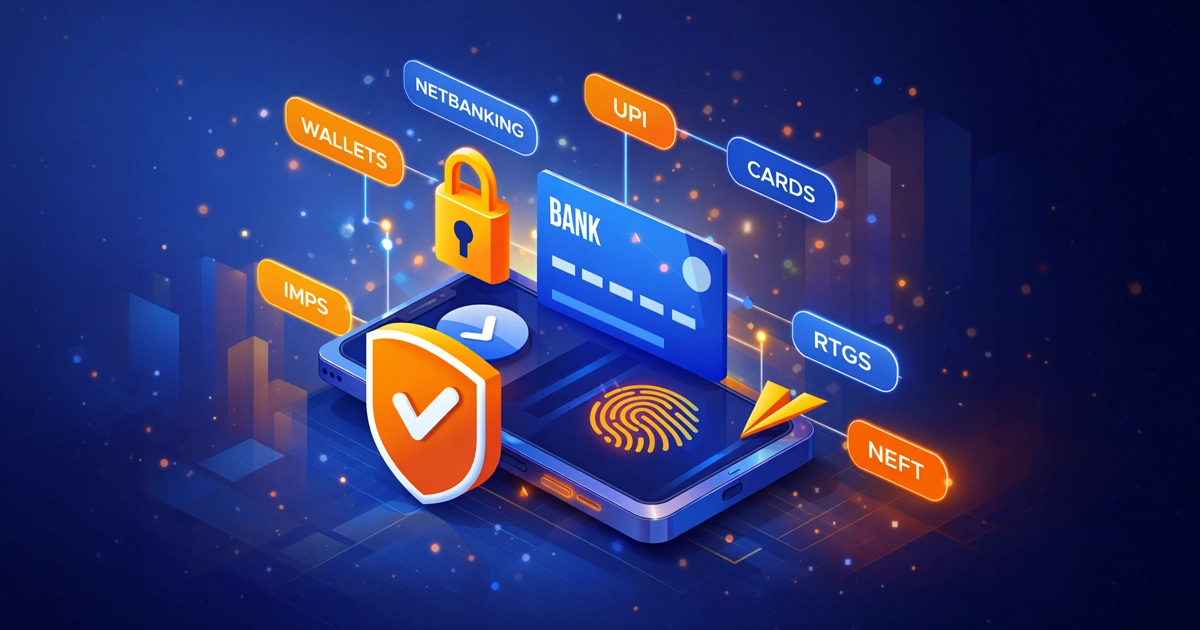
- Multi-Channel Payments: Let your customers pay the way they like—UPI, Net Banking, credit/debit cards, wallets, and more.
- Secure Payments: Keep every transaction safe with PCI-DSS compliance and advanced fraud protection.
- Easy Integration: Get started quickly with simple plug-and-play APIs.
- Fast Settlements: Receive your money in your bank account without delays.
- Customizable Checkout: Build branded payment pages for a smooth, professional experience.
- 24/7 Support: Our team is always ready to help, so your payments run without a hitch.
Conclusion
Choosing the right payment gateway is a key decision for any business. When choosing one, you should consider security, costs, ease of integration, and support. SabPaisa helps you understand merchant accounts and available payment options, so you can run your e-commerce site smoothly, process payments efficiently, and use easy solutions that support your small business growth.
Get Started with SabPaisa Today
Don’t miss this opportunity to easily manage your payments and cash flows through SabPaisa. From integrating the India payment gateway to your website to enhancing your offline payment solutions, SabPaisa empowers businesses with secure and simplified payment solutions.
Sign up with SabPaisa now and start transforming the way you pay.
Frequently Asked Questions (FAQs)
1. What is the difference between a payment gateway and a payment processor?
A payment gateway is a digital bridge that authorises and facilitates online payments by encrypting and transmitting payment data. In contrast, a payment processor handles the actual processing of transactions, communicating with card networks and issuing banks to approve and settle payments. The payment gateway manages the front-end checkout experience, while the payment processor handles the back-end financial transactions.
2. Is SabPaisa safe for handling private payment data?
Of course. SabPaisa operates safe AWS servers that are PCI-DSS certified and compliant with ISO/IEC 27001:2022. We adopt all RBI policies.
3. What are the different kinds of payment gateways?
The payment gateways come in 4 different types with individual functionalities. Hosted Gateways provides customer redirection, security and compliance. Self-hosted adds control and rapid checkout, and the API-hosted adds customisation and integration convenience. Bank links open with local gateways but are not scalable.